Is nature the only version possible?
Can algorithms reveal unrealized natures?
TL;DR:
I explore nature as a dynamic computational process, using generative algorithms to simulate alternative natural forms that could exist but don't. By materializing these patterns through 3D printing and exhibiting them alongside real specimens, my work invites viewers to imagine the vast, unrealized possibilities hidden within nature's code.
Abstract
Could the natural patterns we see be just one manifestation of infinite possibilities? Could a snowflake be just a single sample drawn from a vast computational universe of potential forms?Through generative approaches, I render visible these unrealized possibilities that nature could have taken but didn’t.
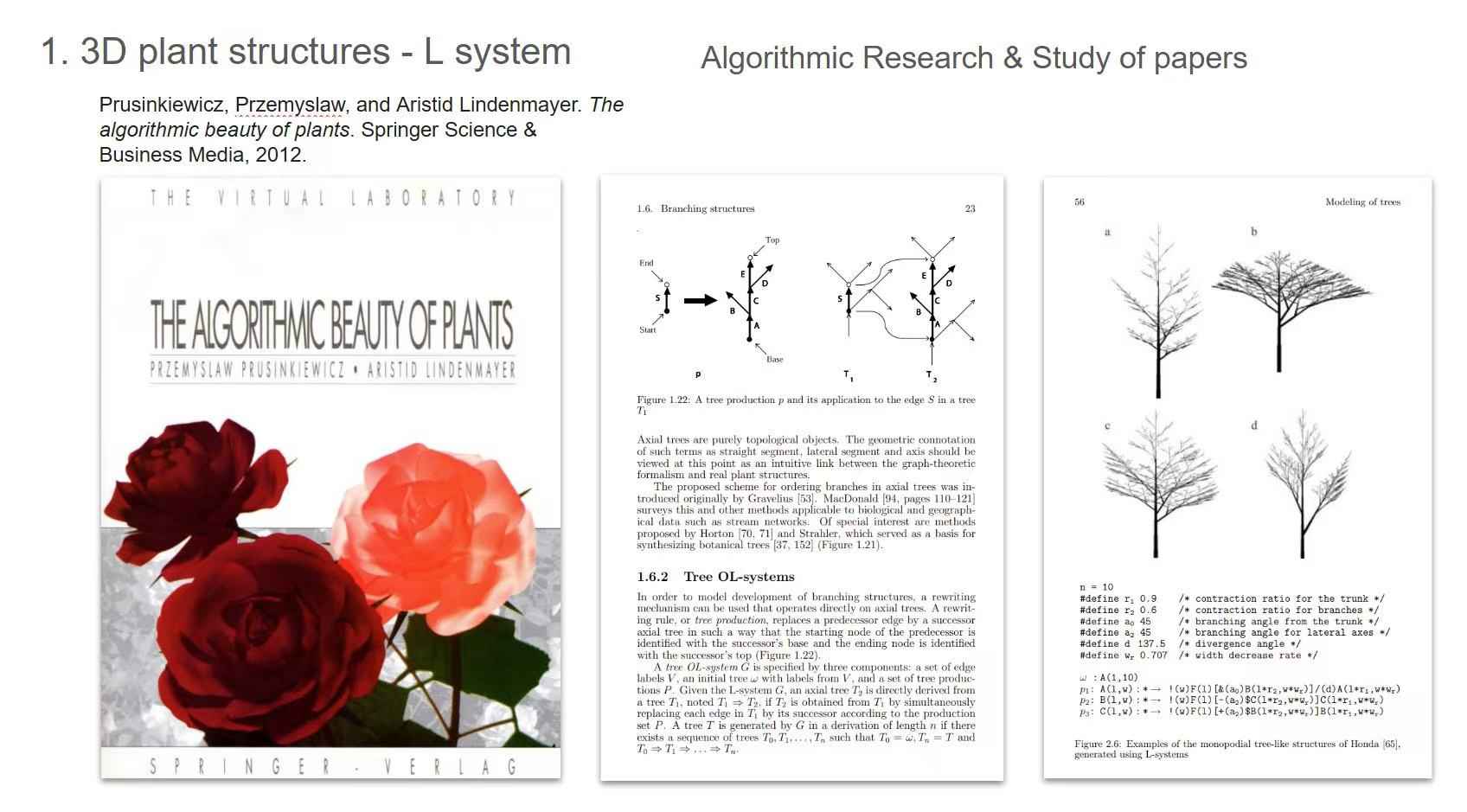
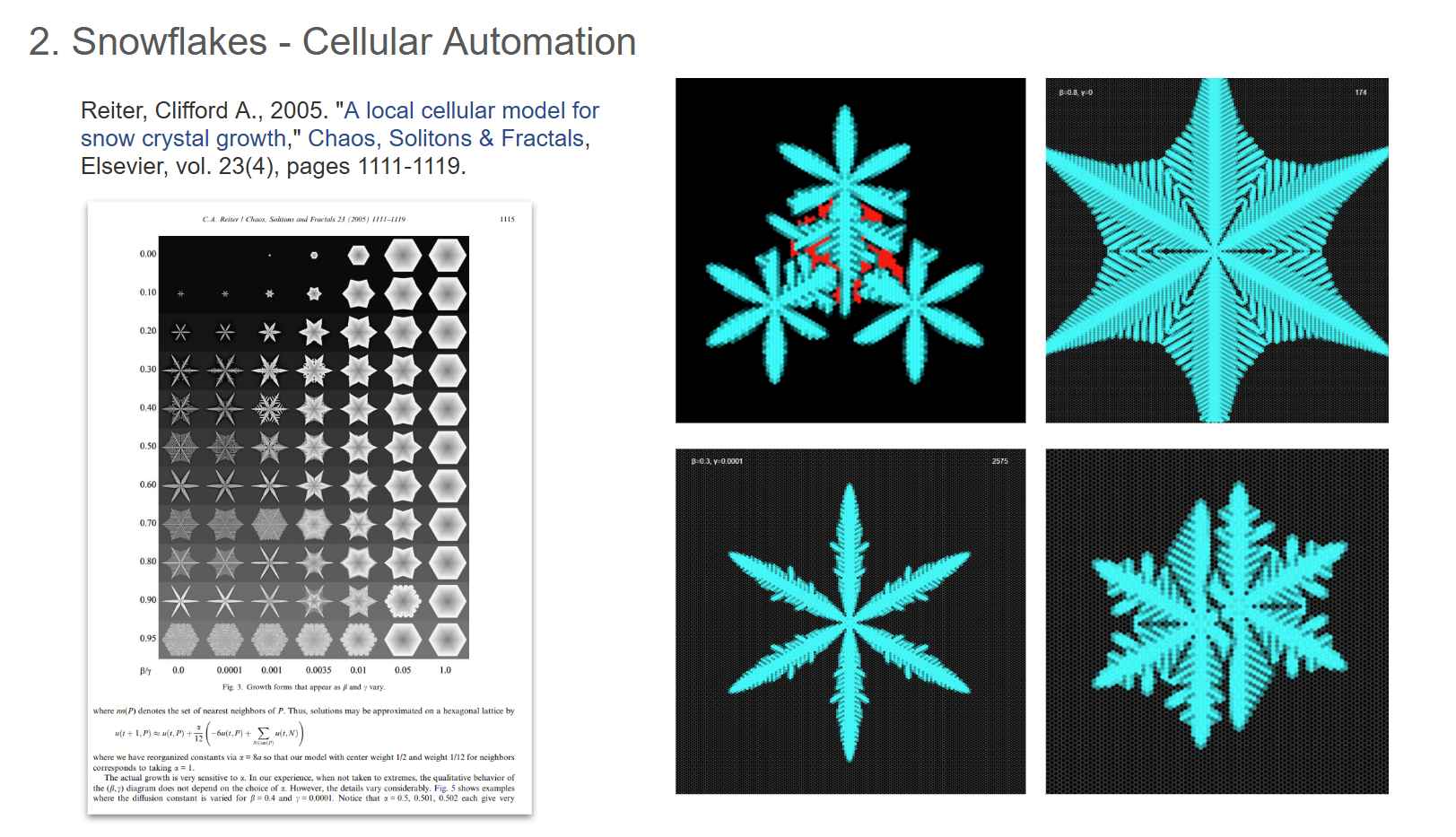
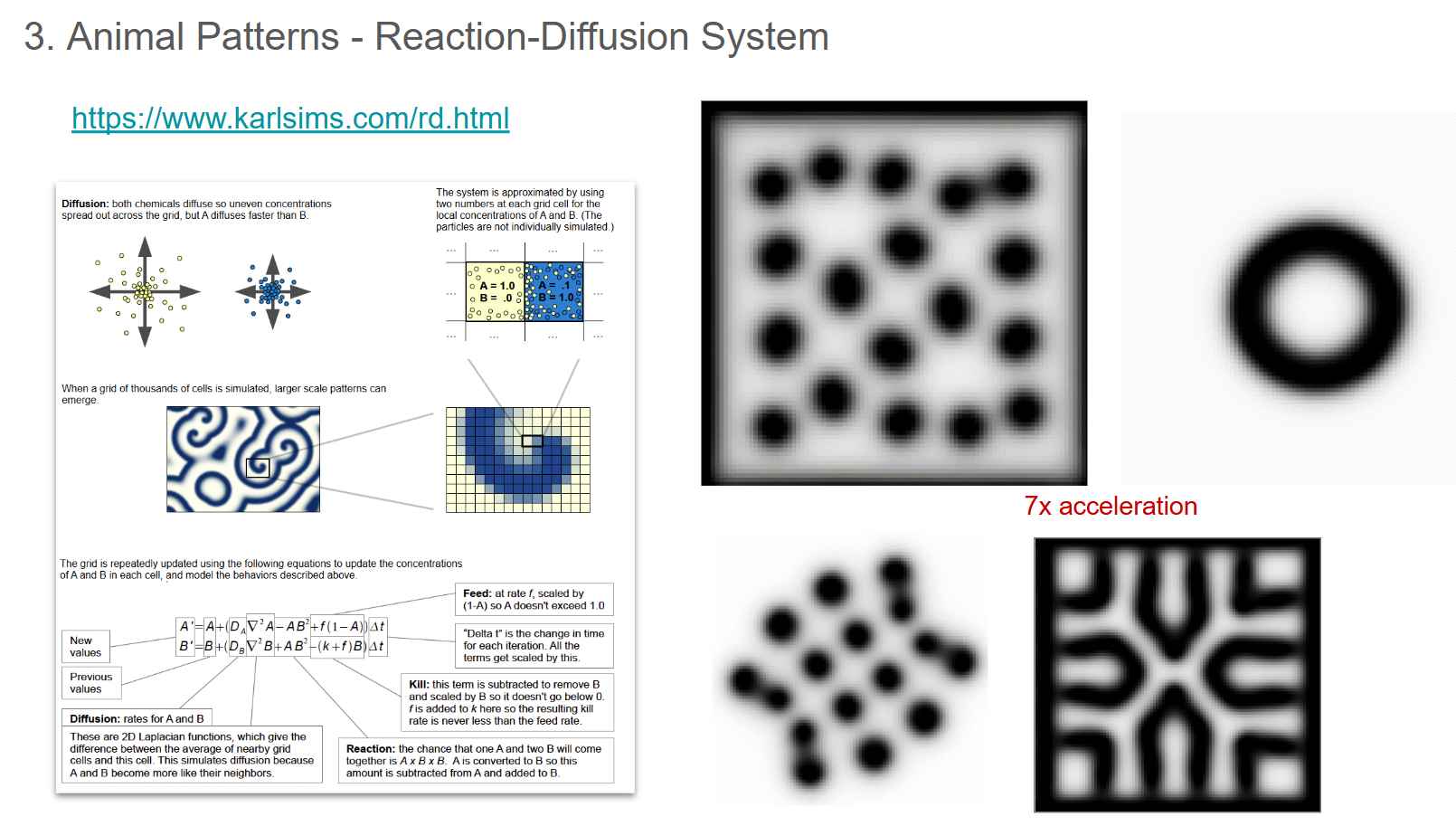
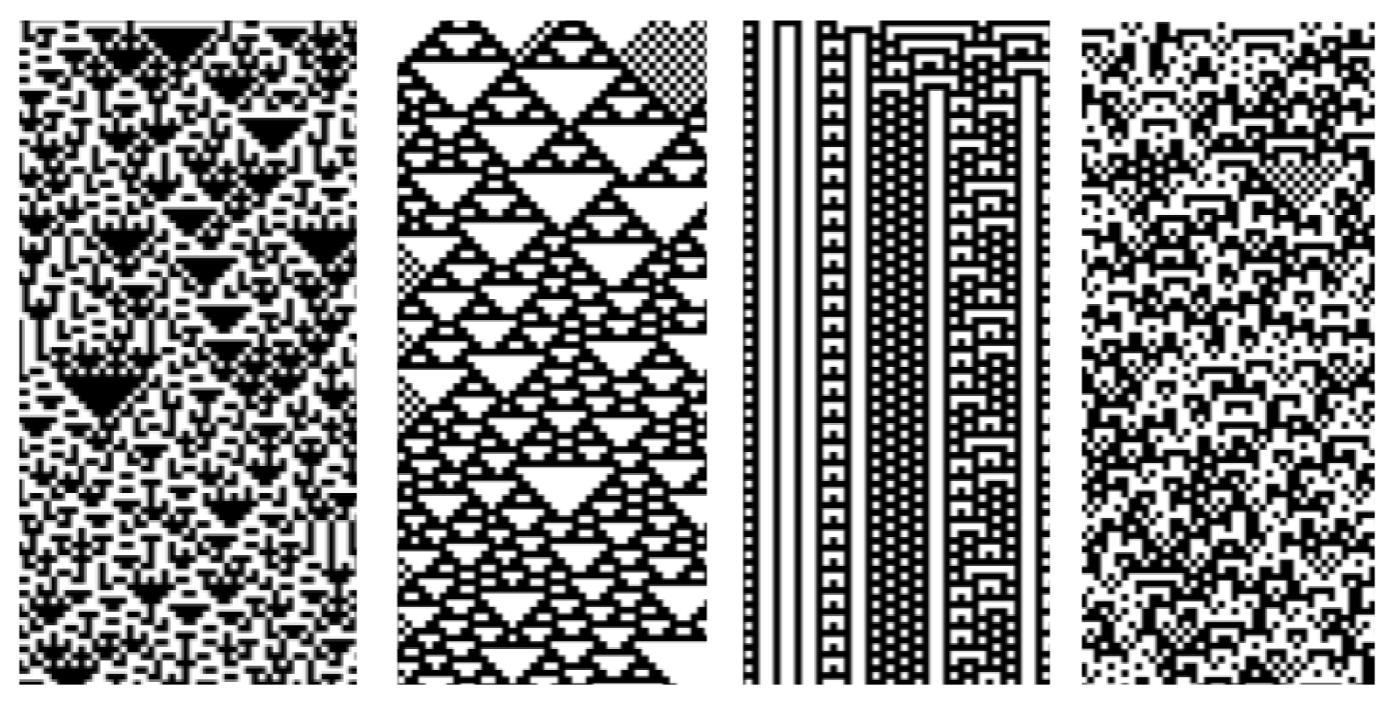
Algorithms like L-systems and cellular automata show how simple rules can give rise to countless complex results. These outcomes form what Stephen Wolfram calls a computational space: the totality of patterns that are computationally possible. Yet nature, constrained by material and environmental limitations, brings only a narrow subset into physical form.
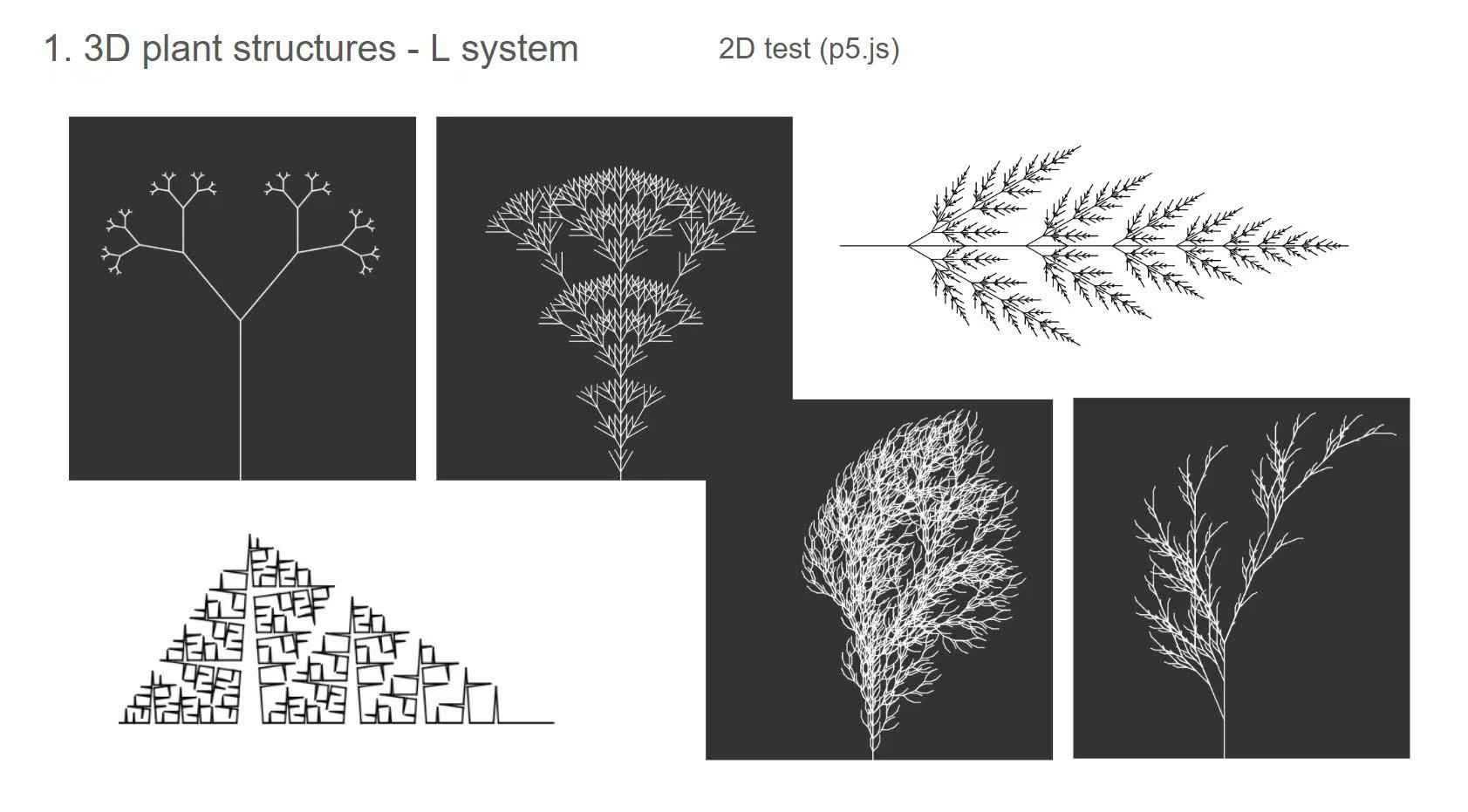
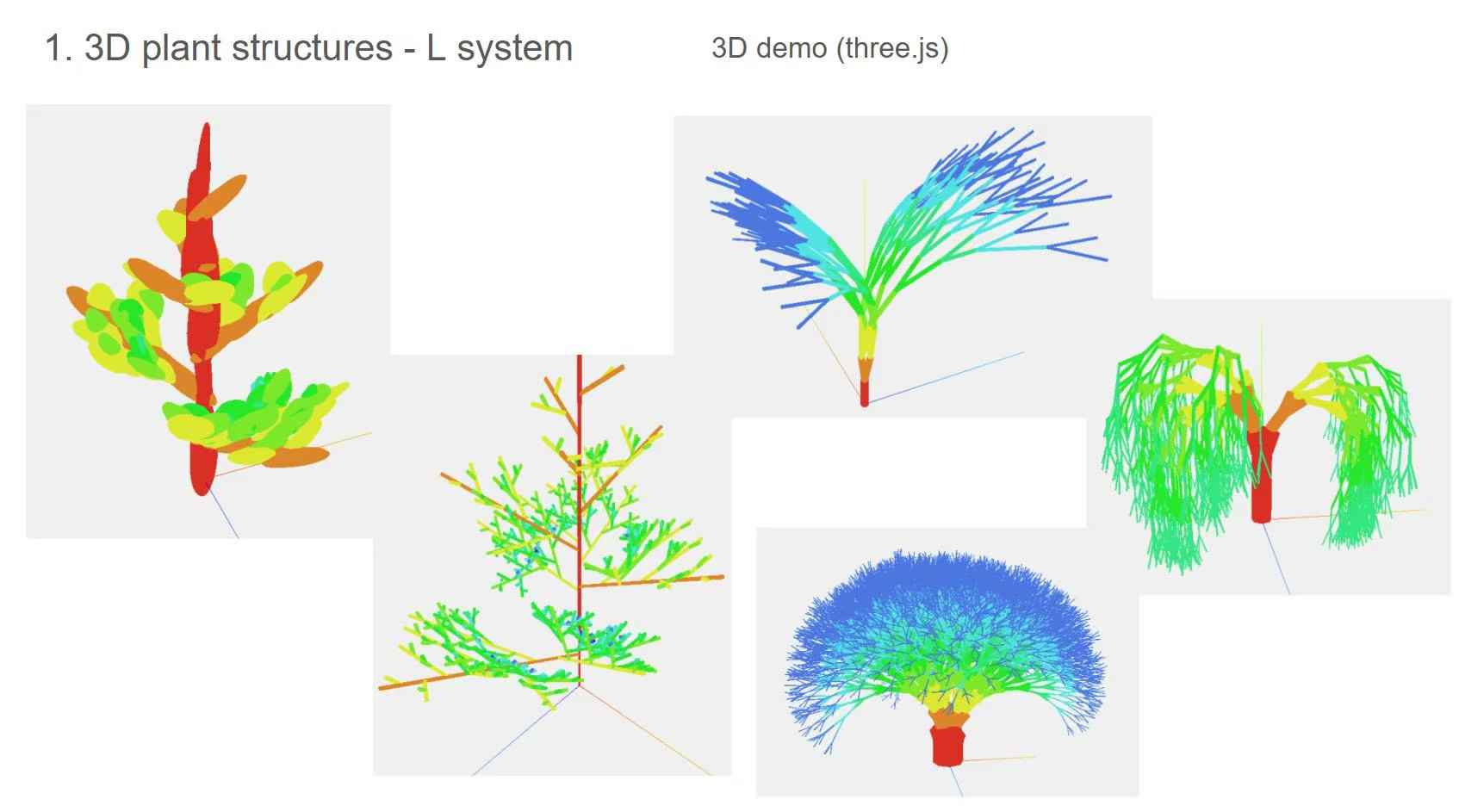
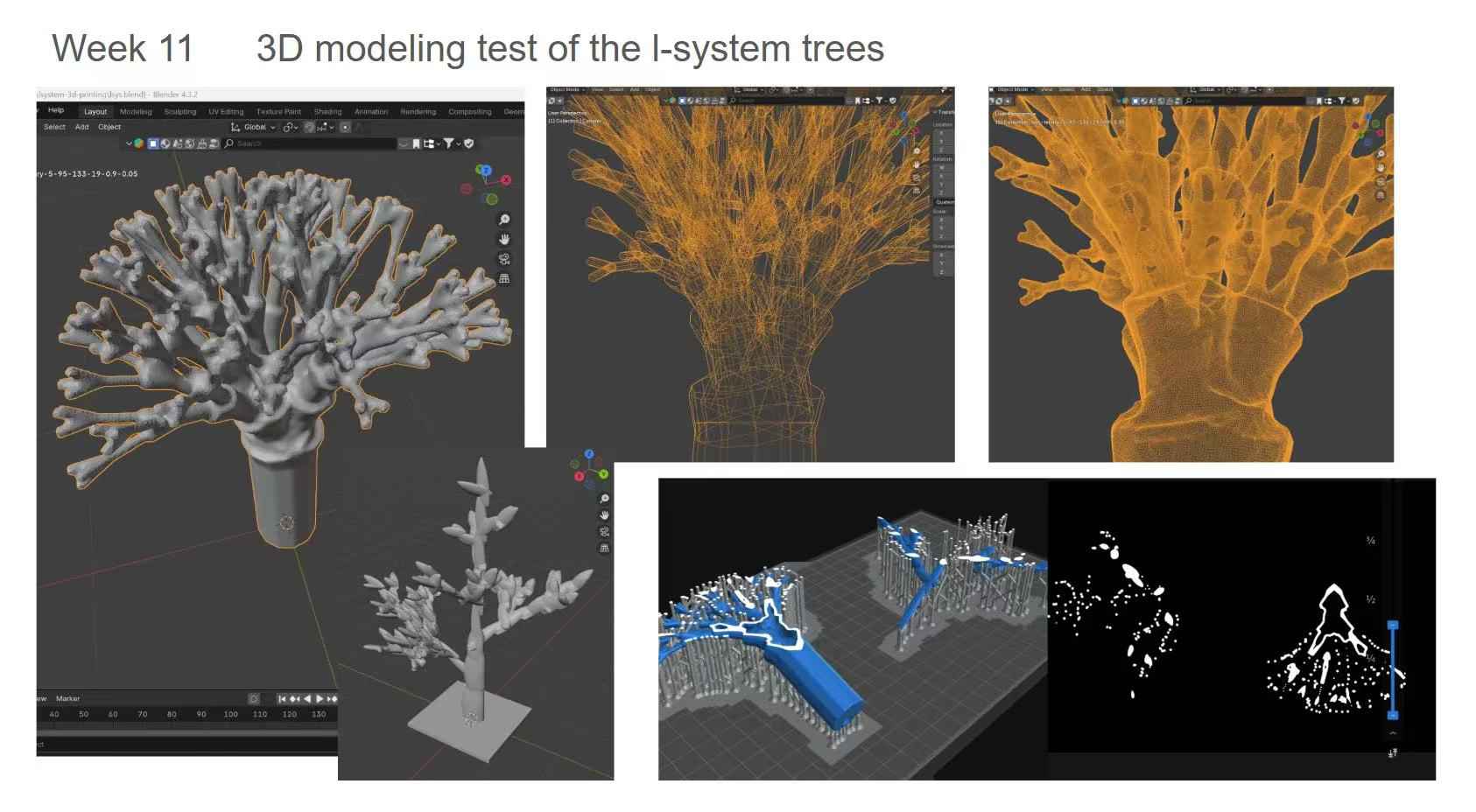
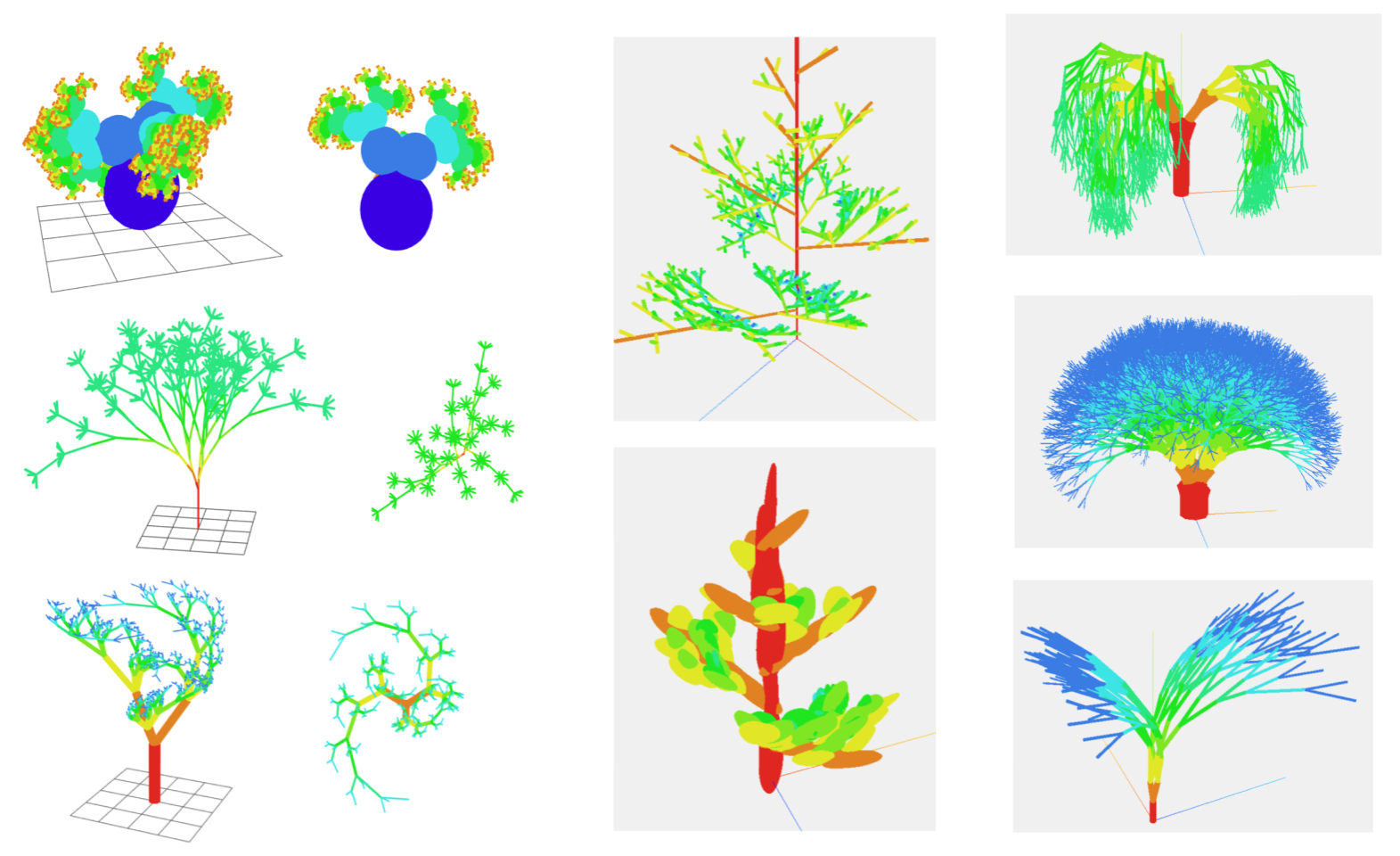
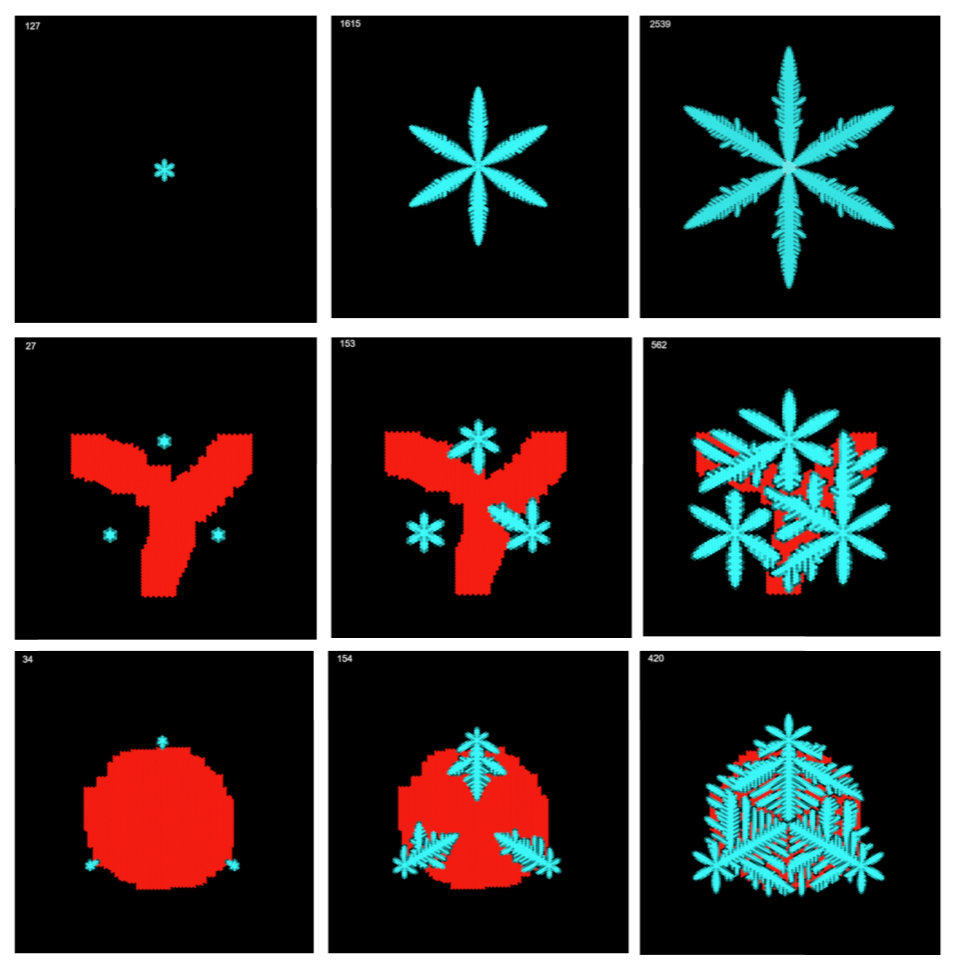
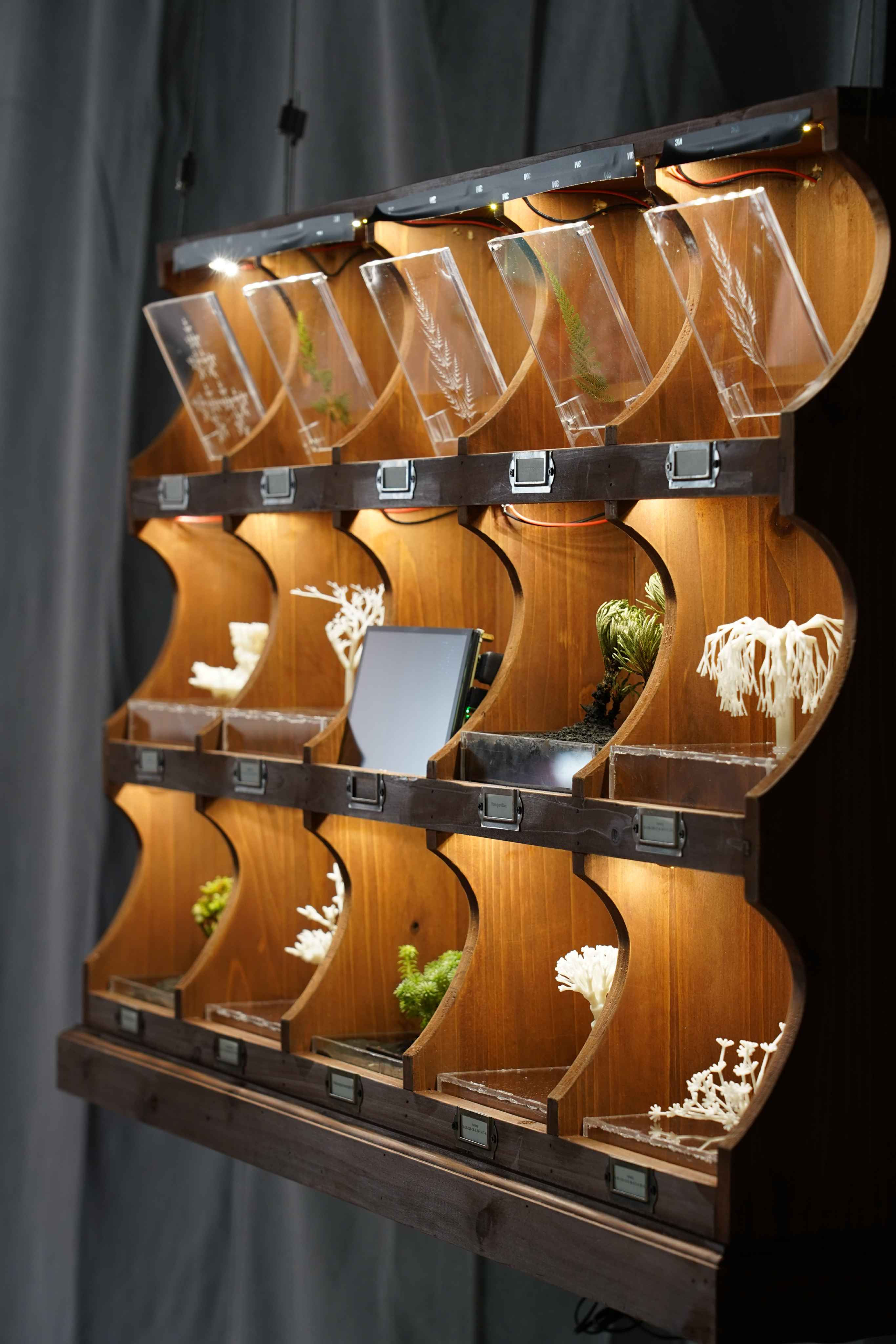
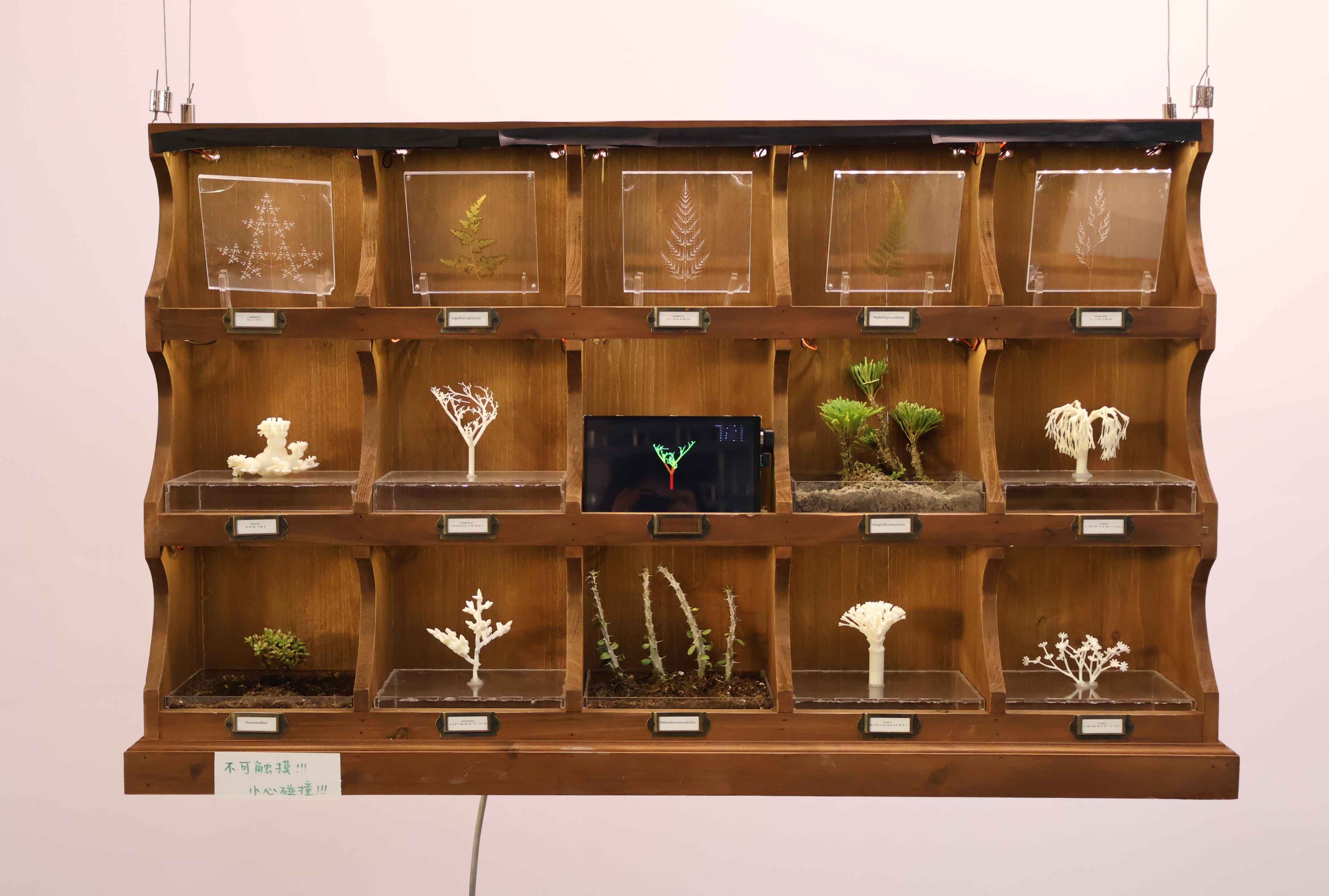
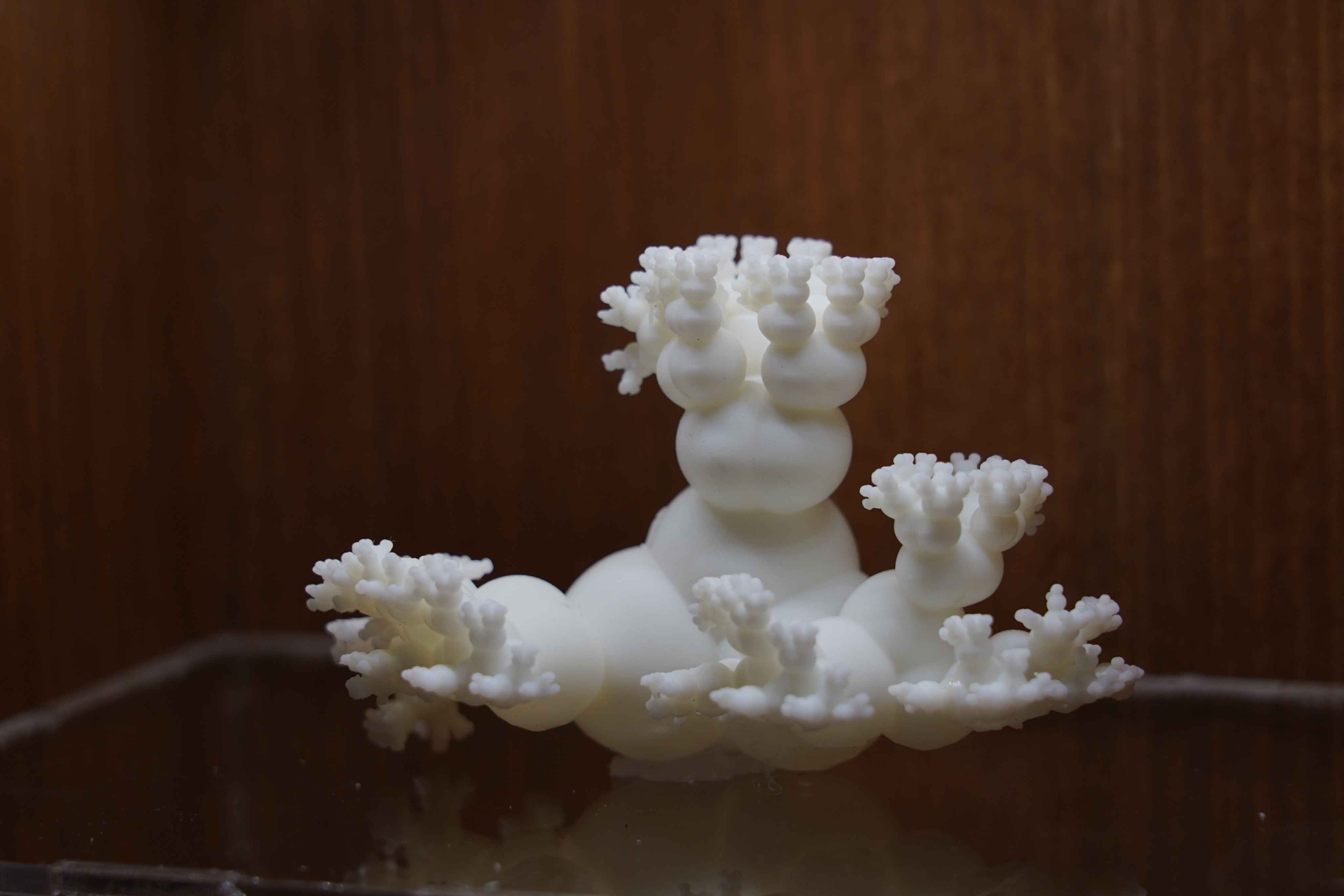
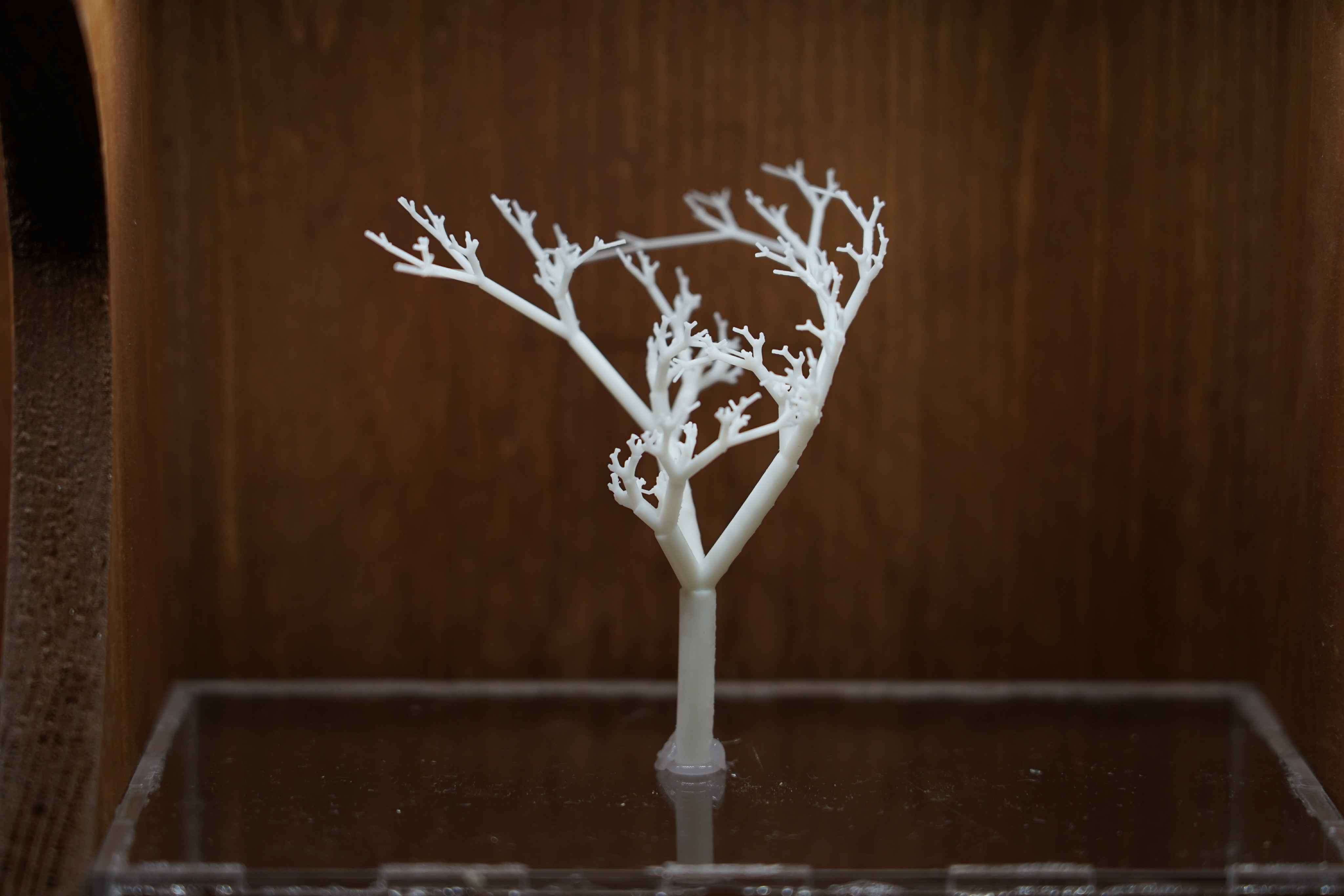
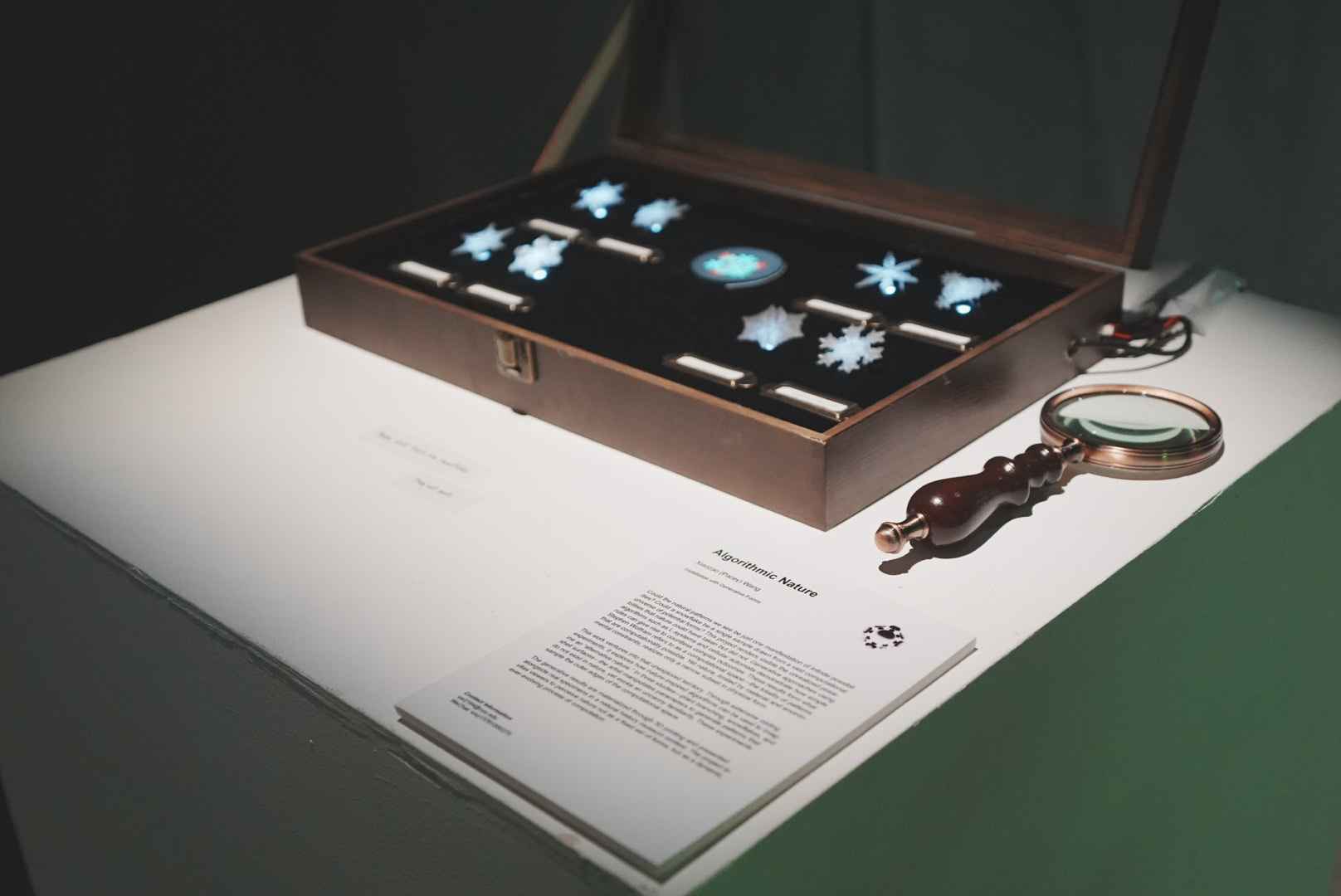
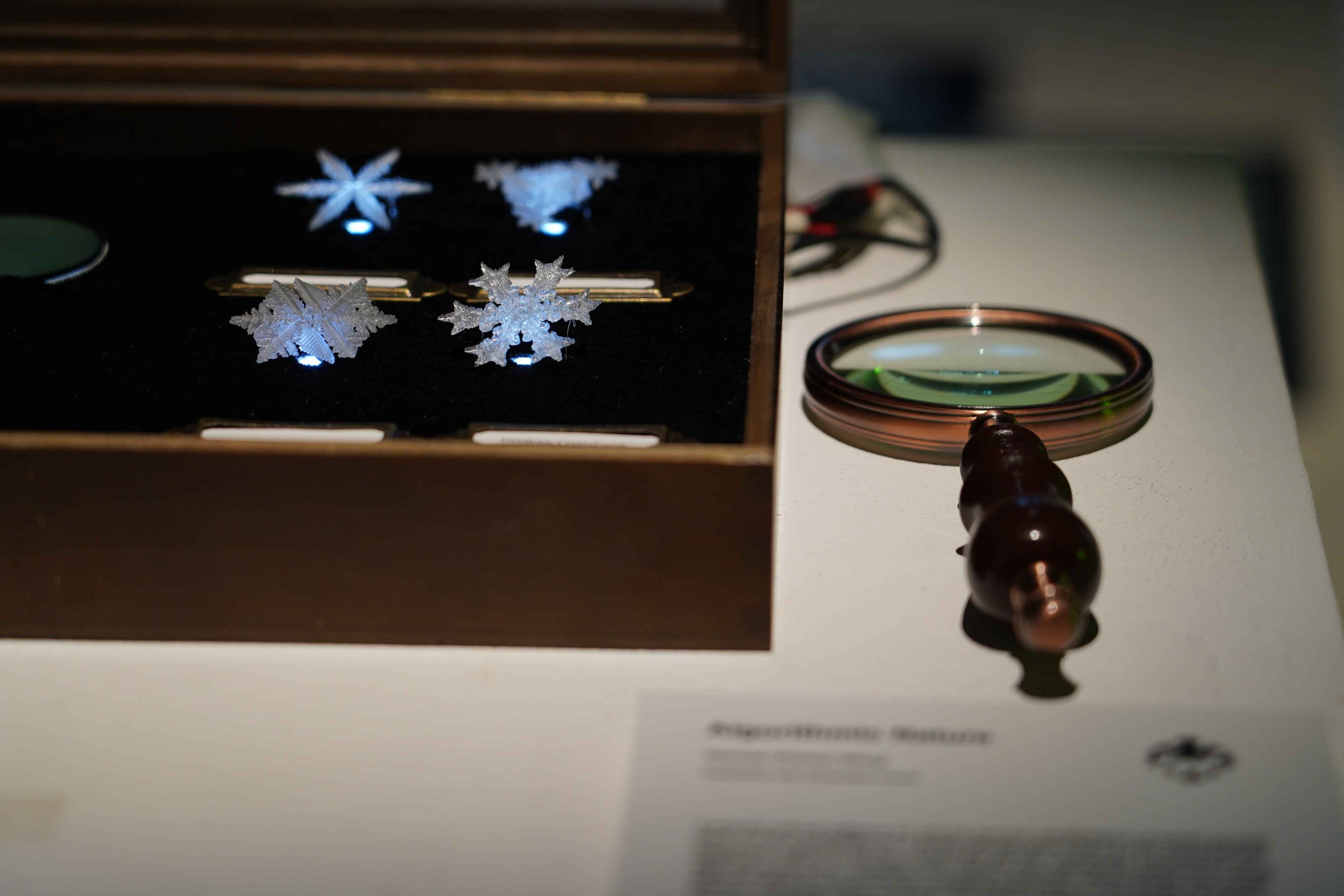
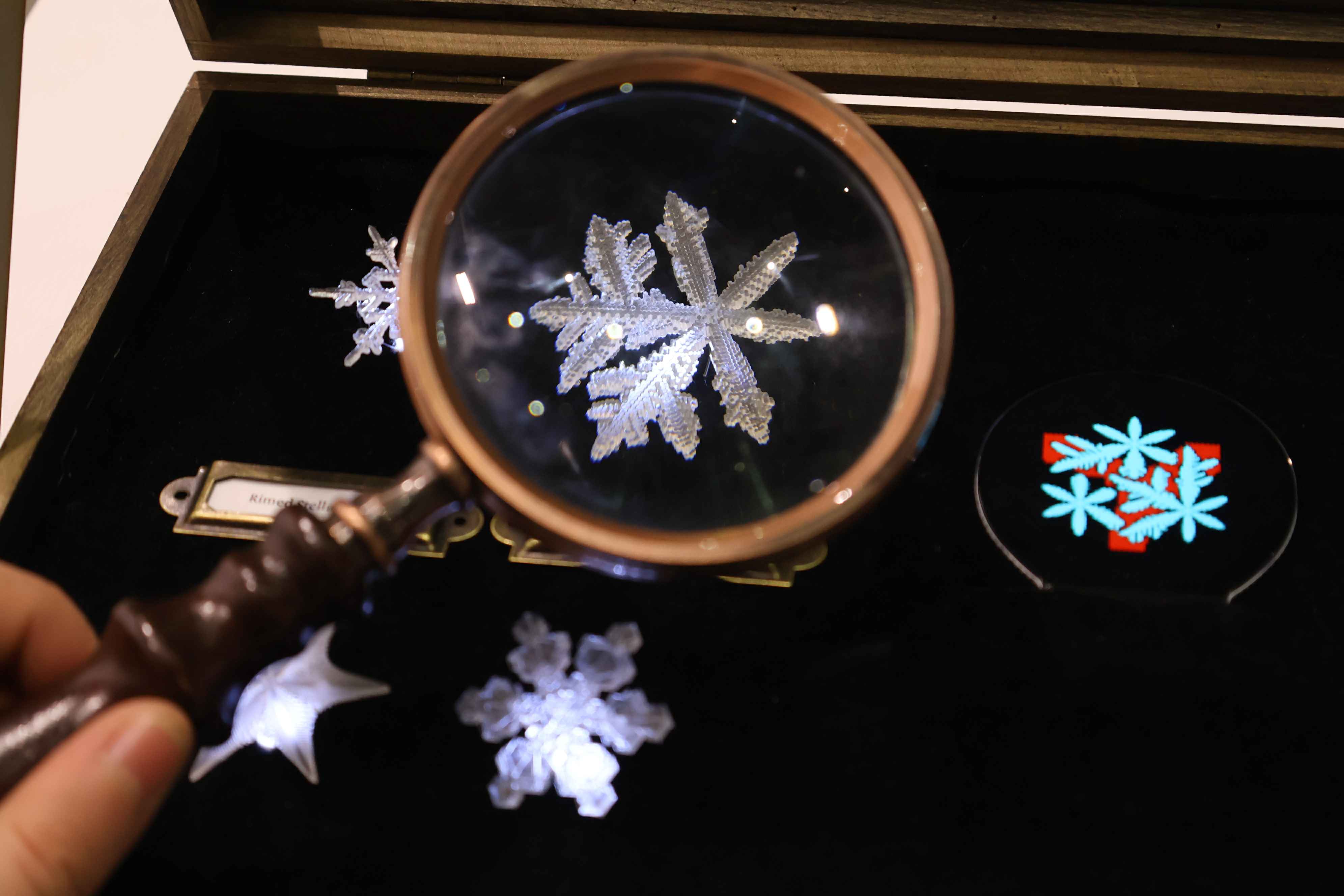
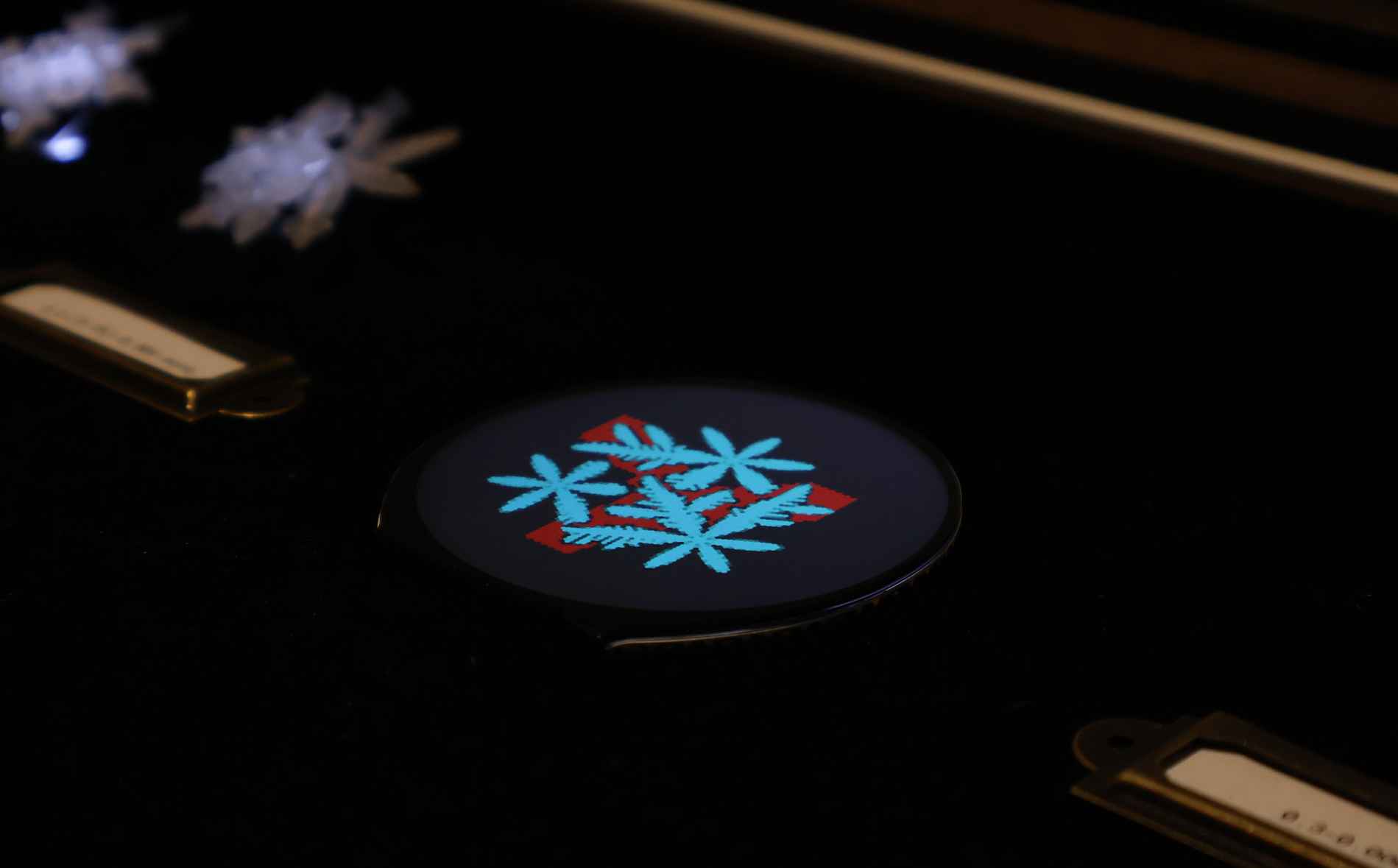
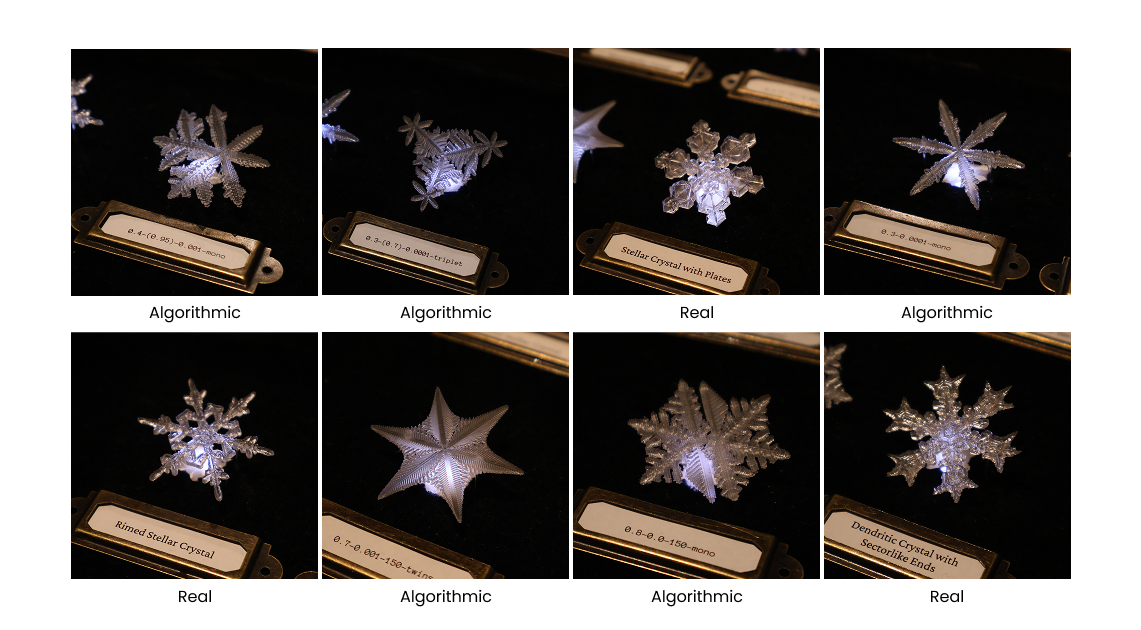
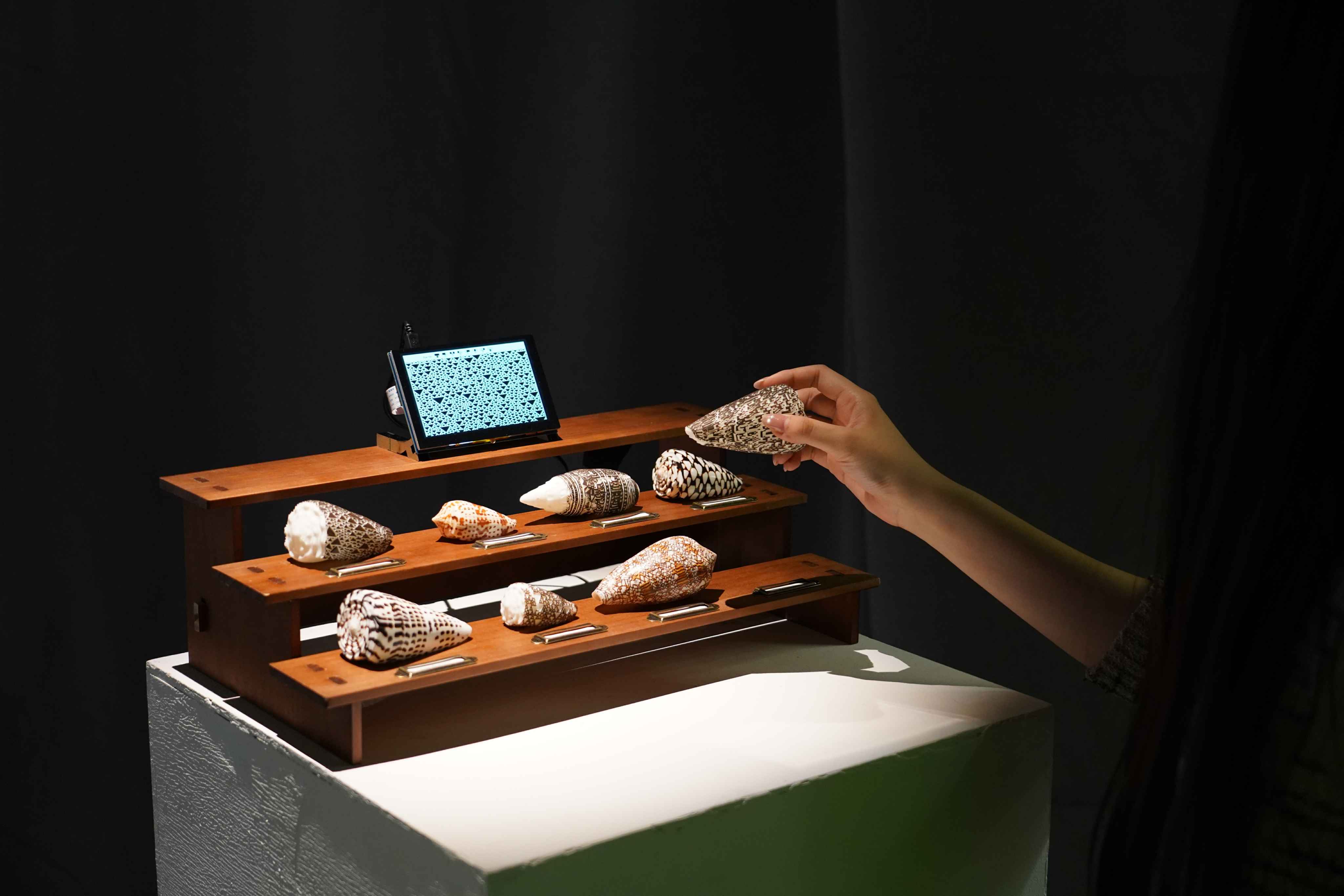
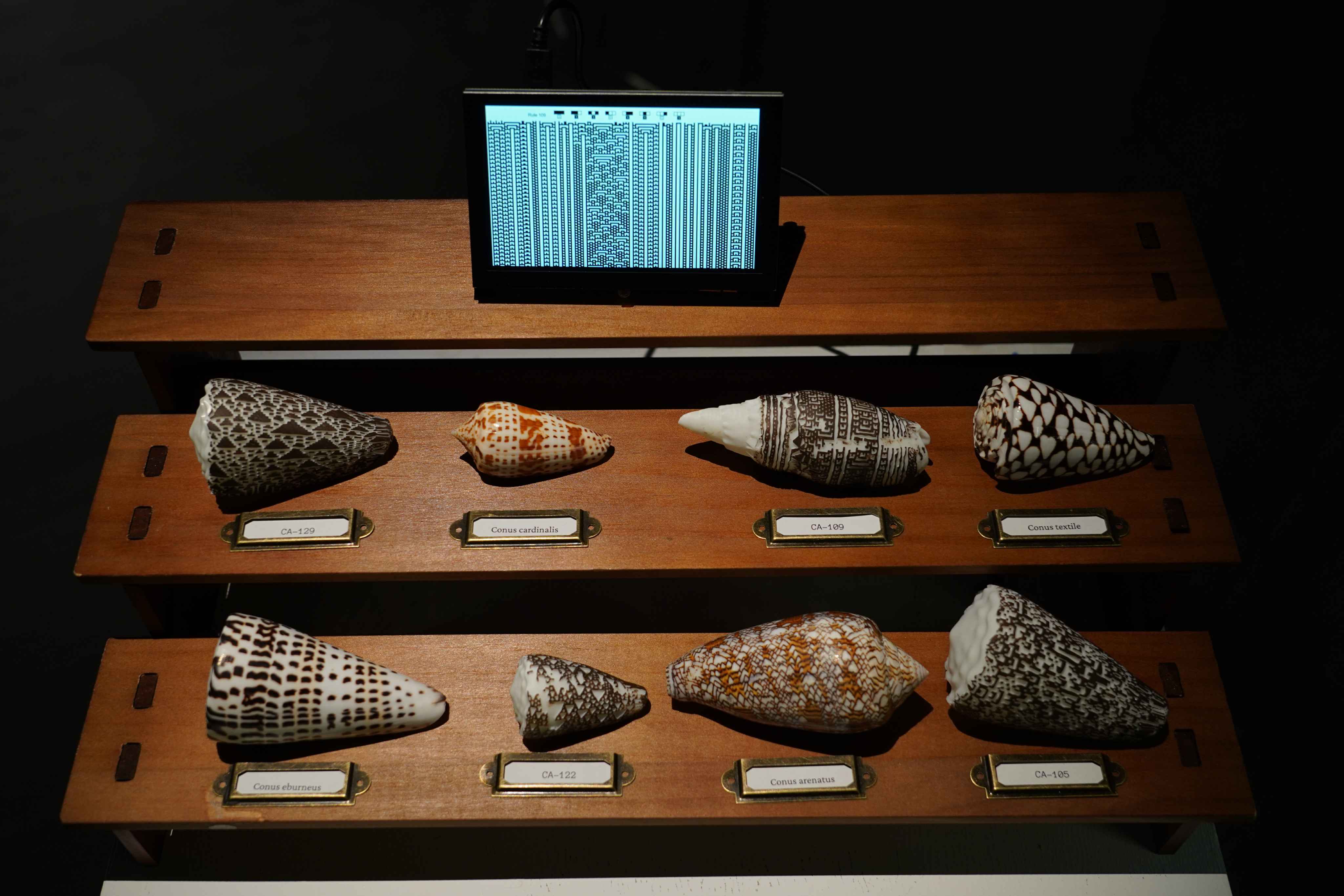
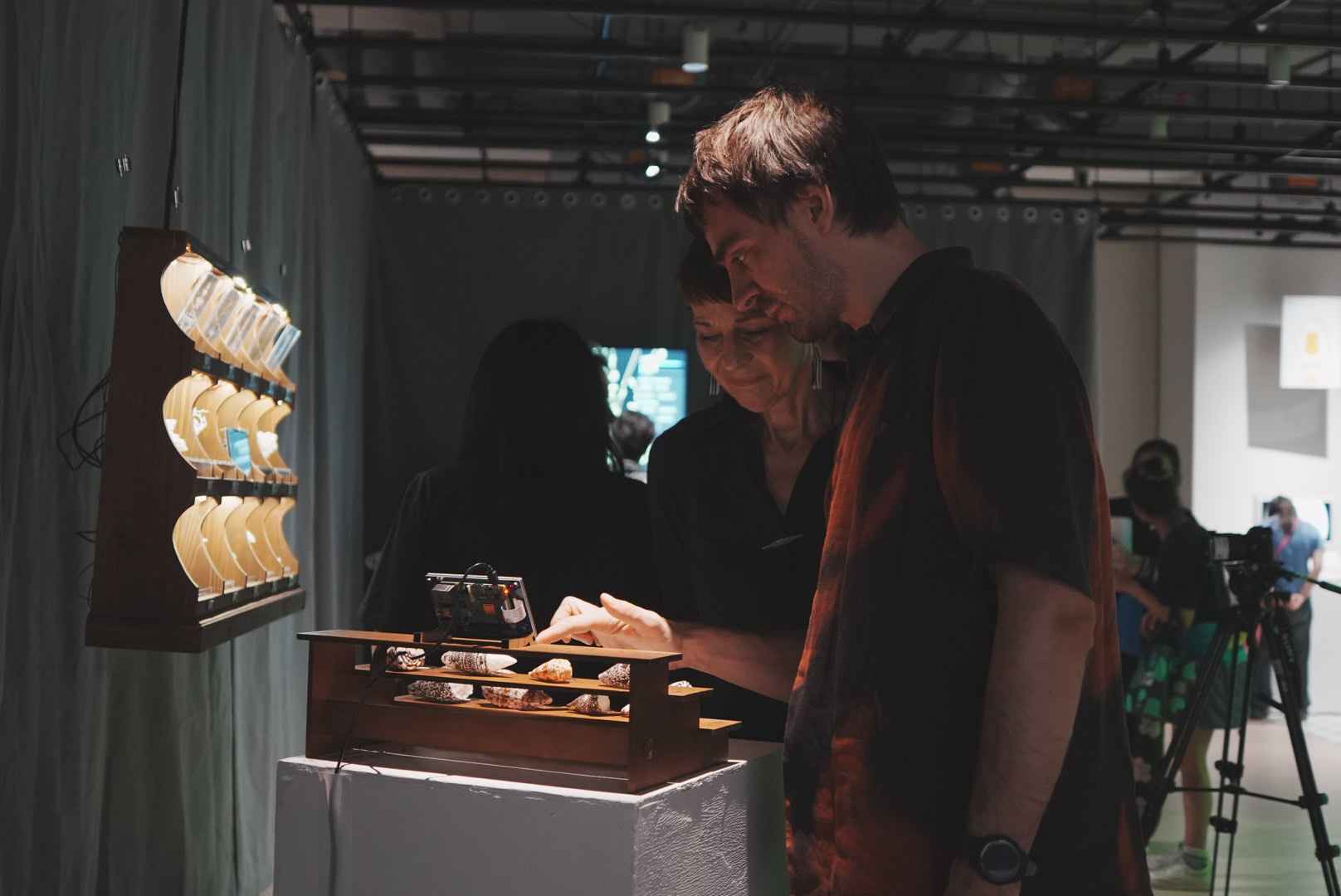
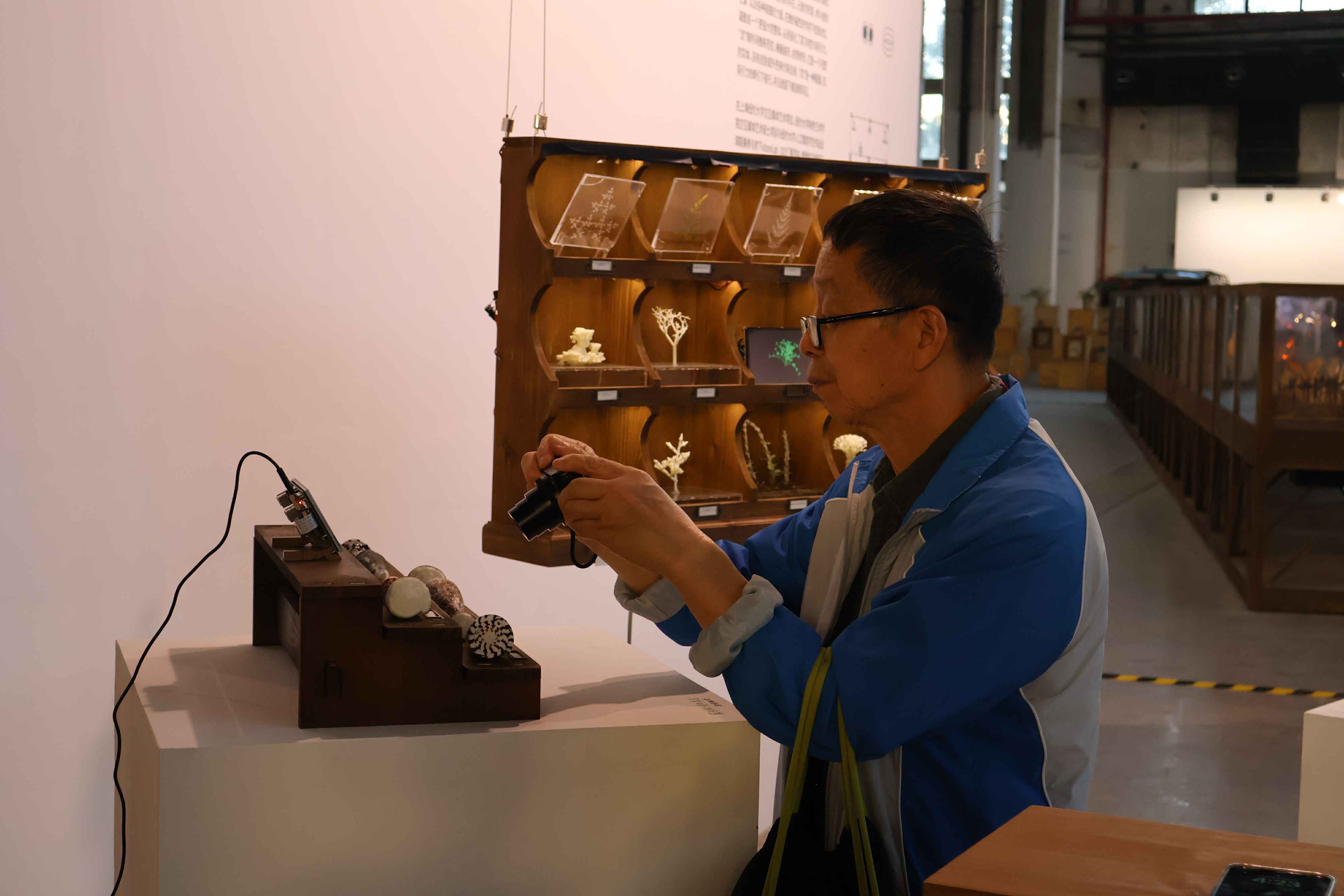
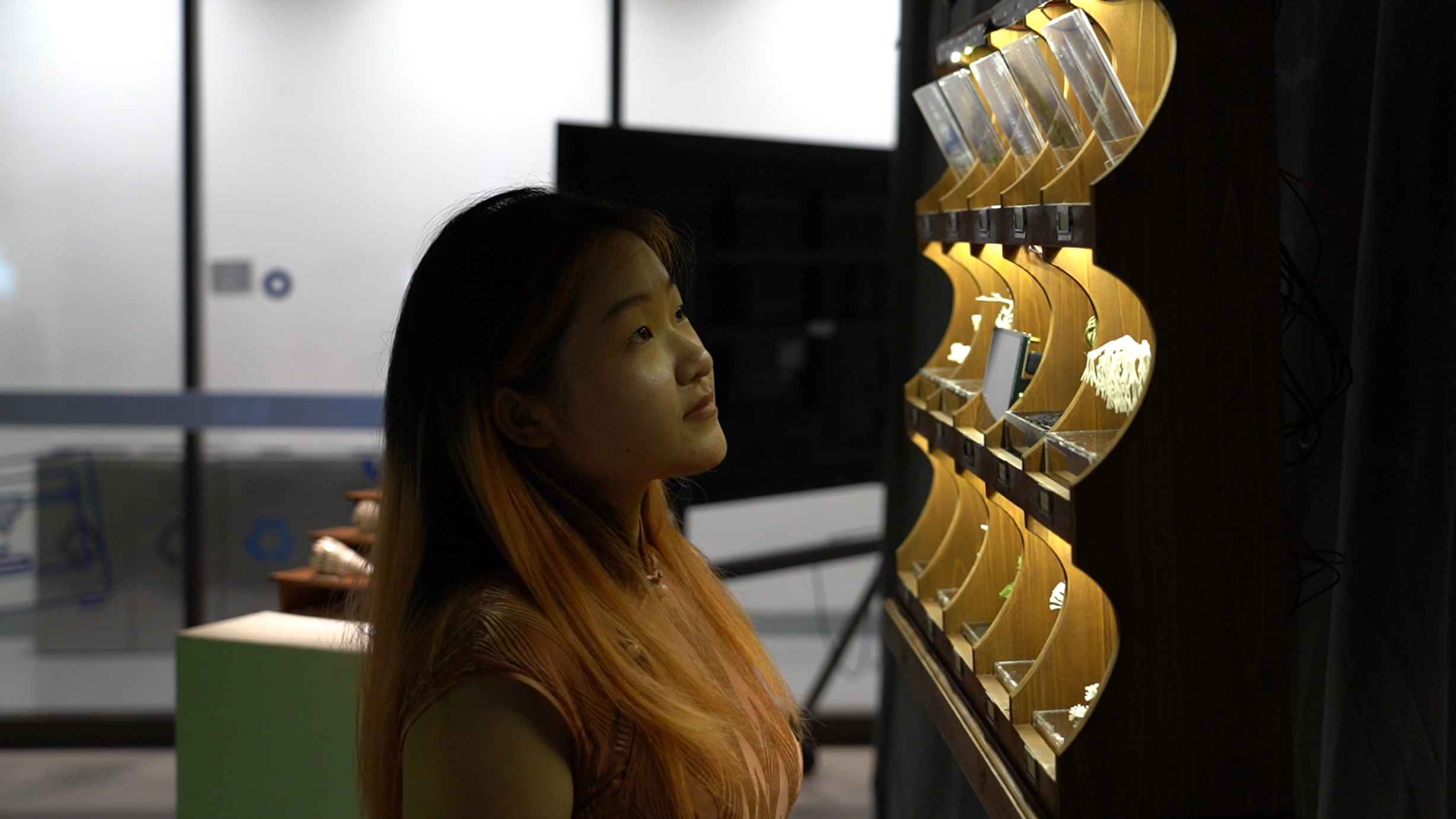
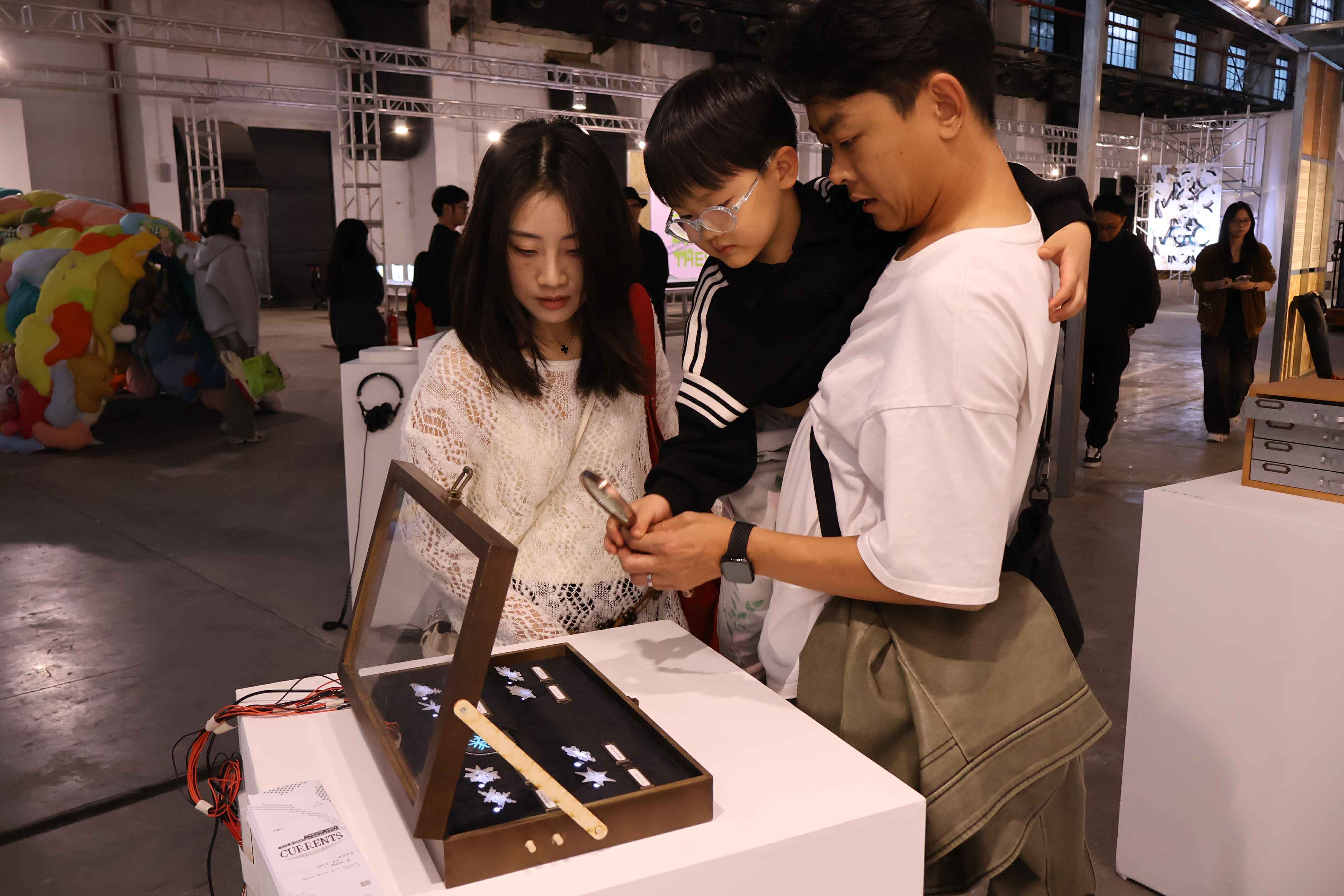
My work ventures into this unexplored territory. Through extensive coding experiments, I explore how nature-inspired algorithms can be used to imagine an “alternative nature.” In three explorations: plant branching, snowflakes, and shell surfaces, I deliberately manipulated parameters to generate patterns that don’t exist in nature but trigger uncanny familiarity. This process samples the unexplored edges of the computational space. The generative results are materialized through 3D printing and exhibited alongside real specimens in a natural history museum setting.
My work invites viewers to perceive nature not as a fixed set of forms, but as an ongoing process of dynamic computation. Is our nature, in essence, a constantly running algorithm? And if so, what other patterns—what other natures—might lie just beyond what we observe?
Toolkit
javascript, 3d printing, electronics, natural specimen
Exhibitions
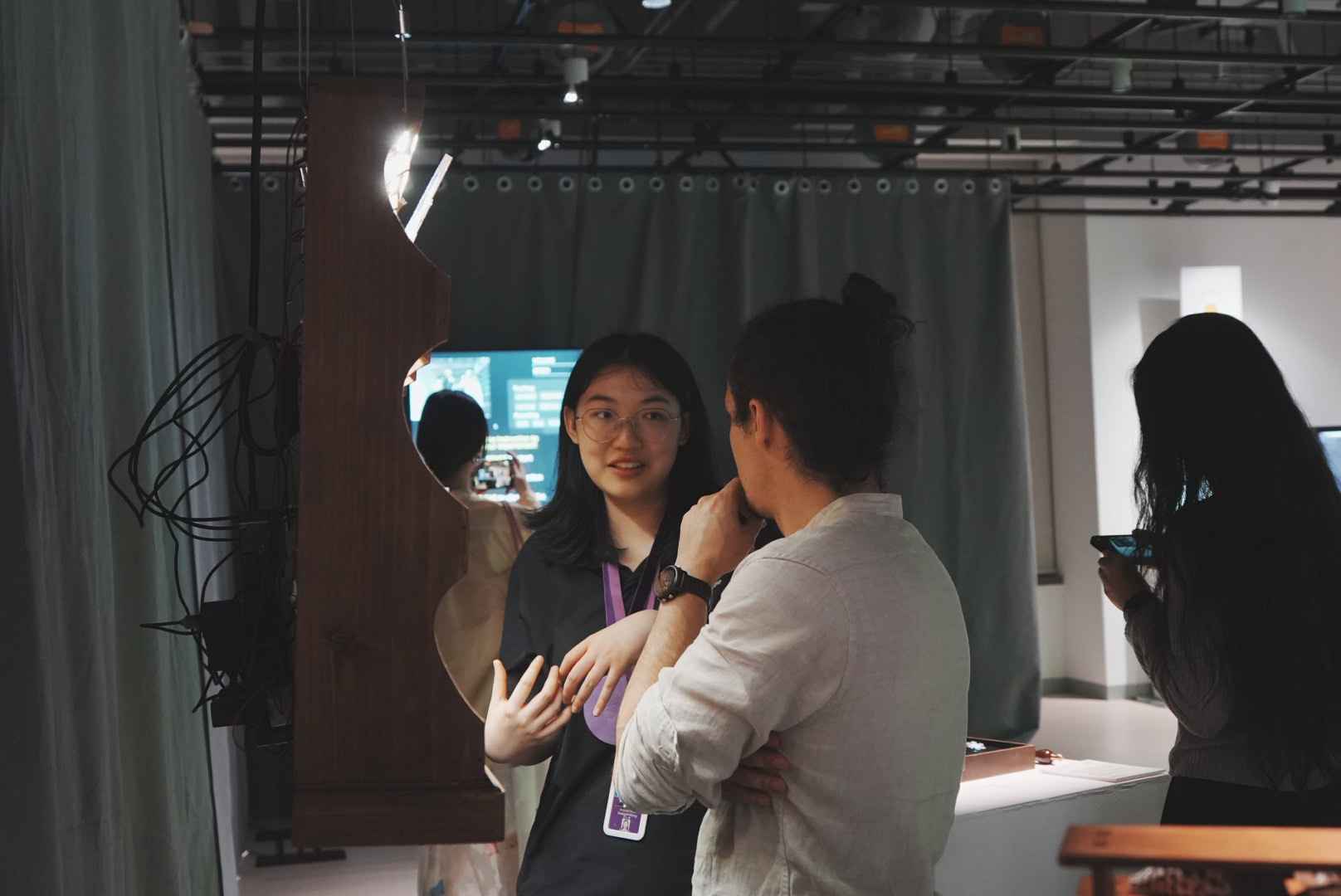
Art and Design Education: FutureLab, 2025
West Bund Art Center, Shanghai, China
Human + Desire + Machine, 2025
Yuz Museum & NYU Shanghai, Shanghai, China
Interactive Media Arts Capstone Show, 2025
NYU Shanghai, Shanghai, China
Award
Capstone Award of Distinction (Best Technical Achievement)
NYU Shanghai Interactive Media Arts, 2025
Links
Video
Exhibition Design
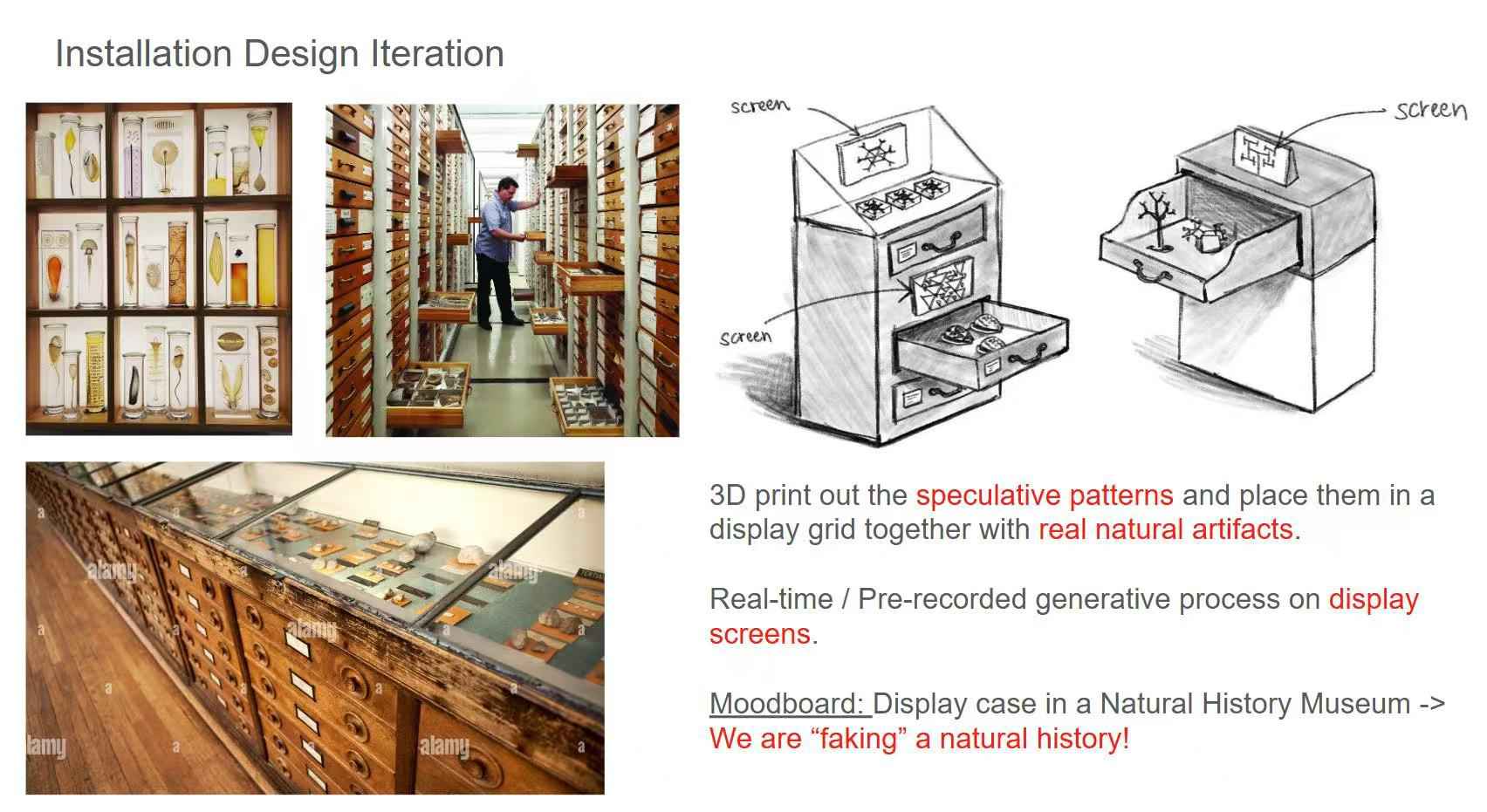
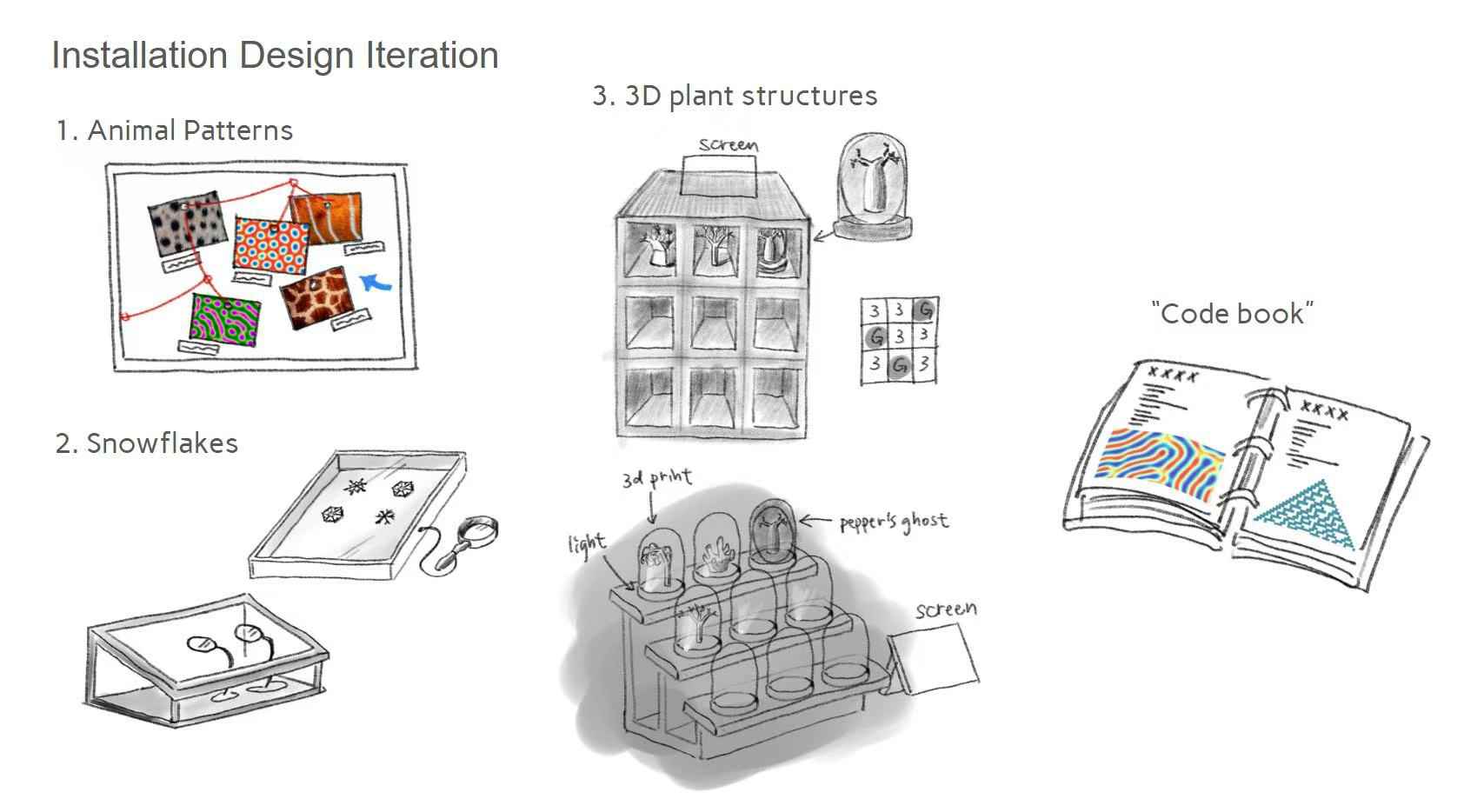
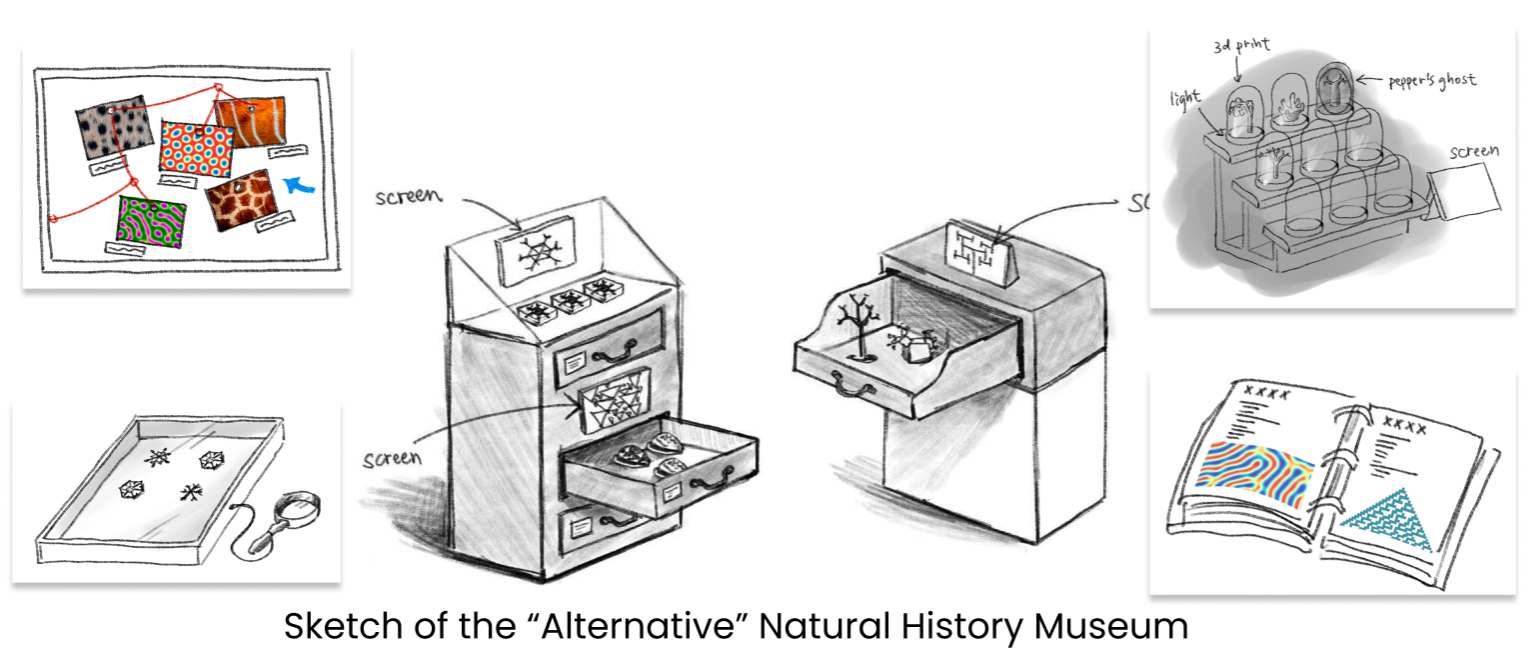
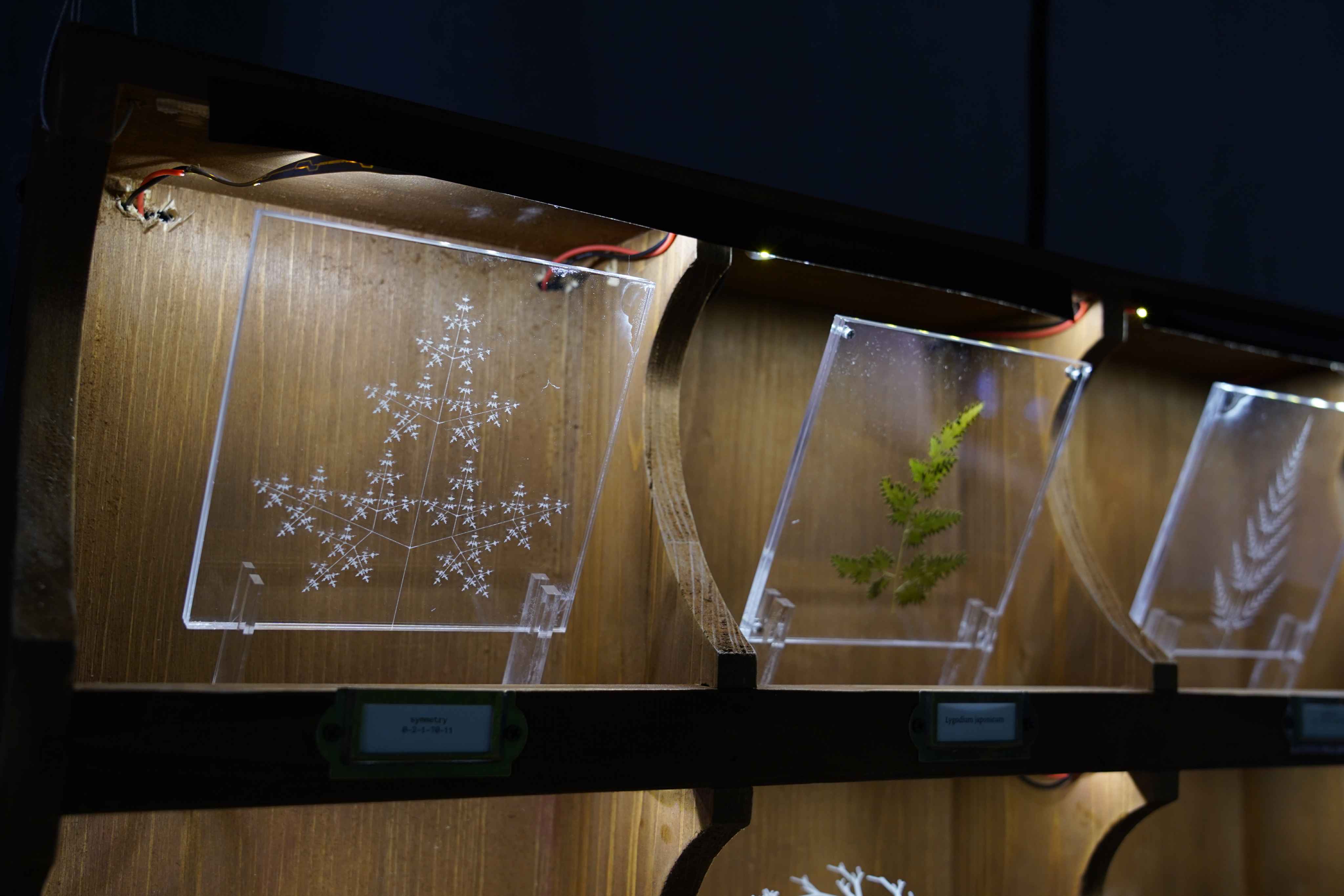
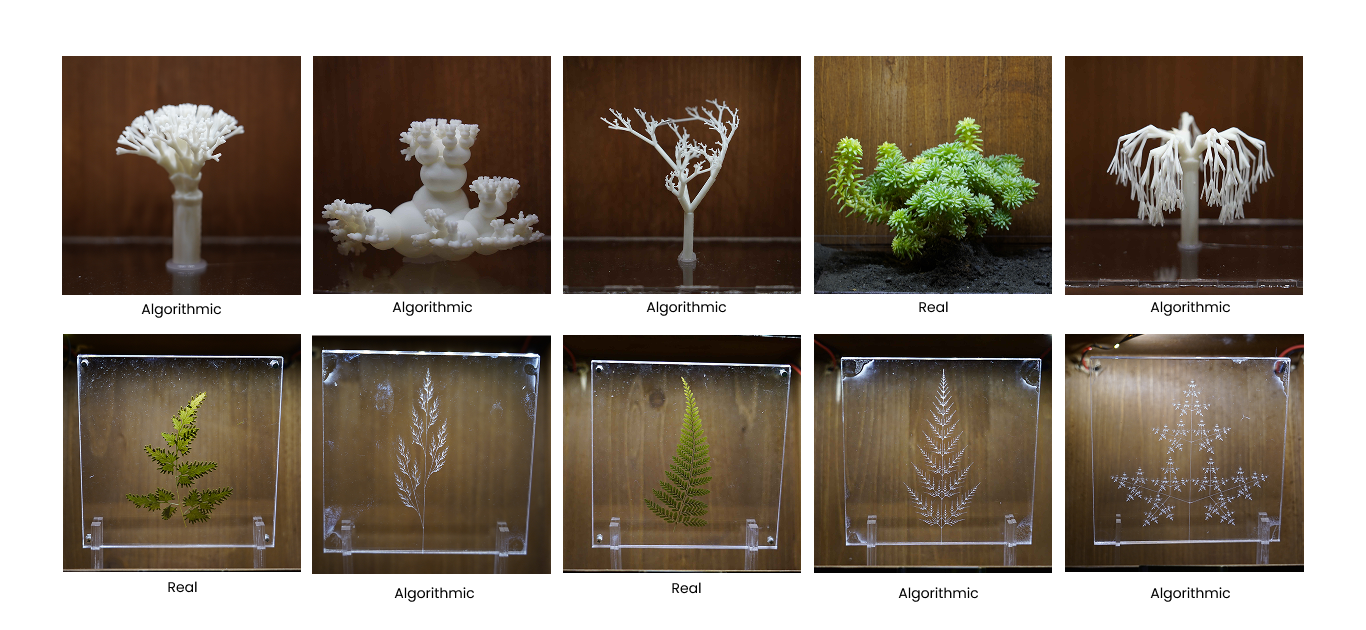
In this project, I generate “alternative” natural patterns that could exist but don’t. By materializing these patterns through 3D printing and exhibiting them alongside real specimens in a natural history museum setting, my work invites viewers to imagine the vast, unrealized possibilities hidden within nature’s code.
Algorithmic Exploration
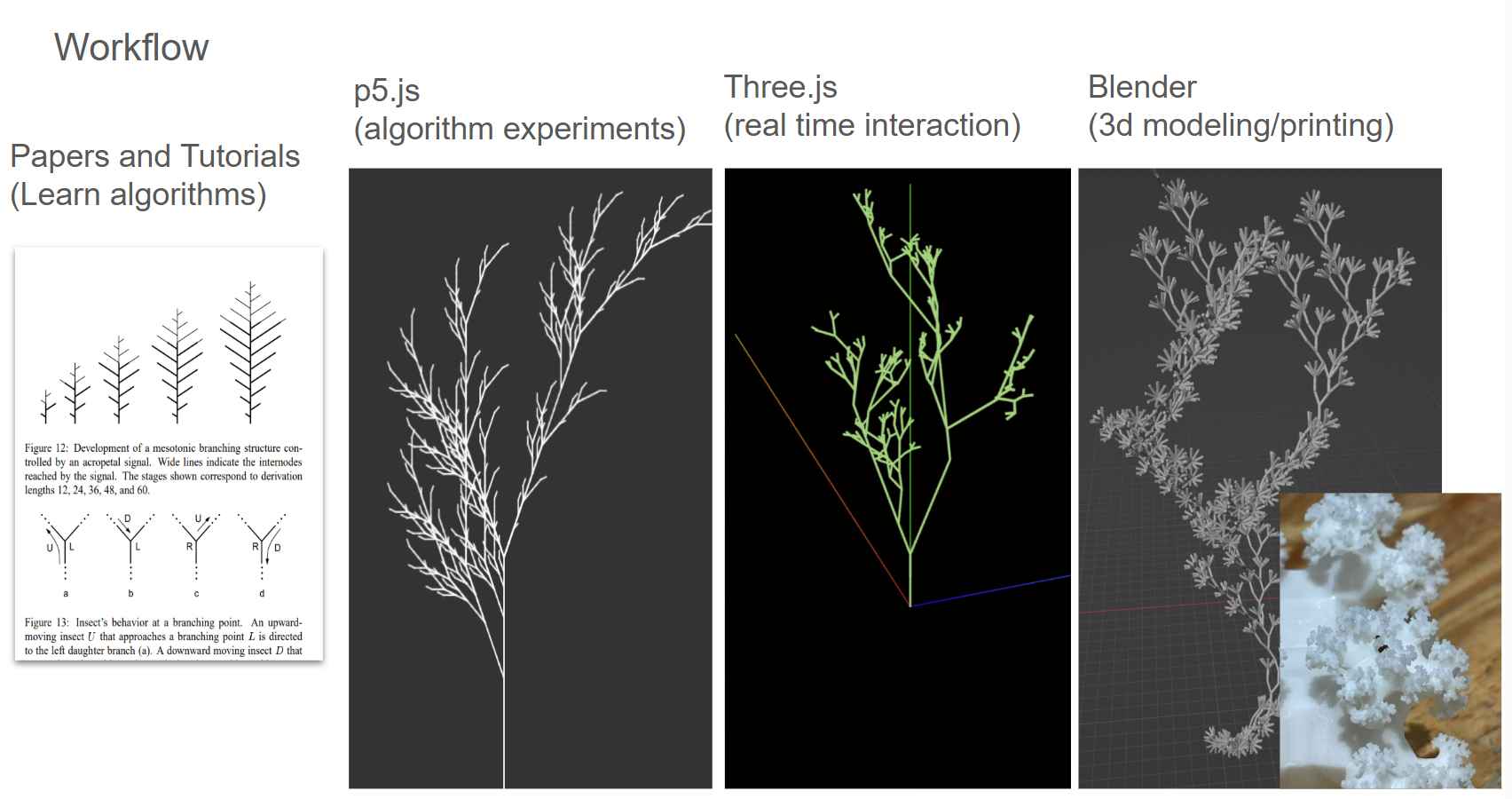
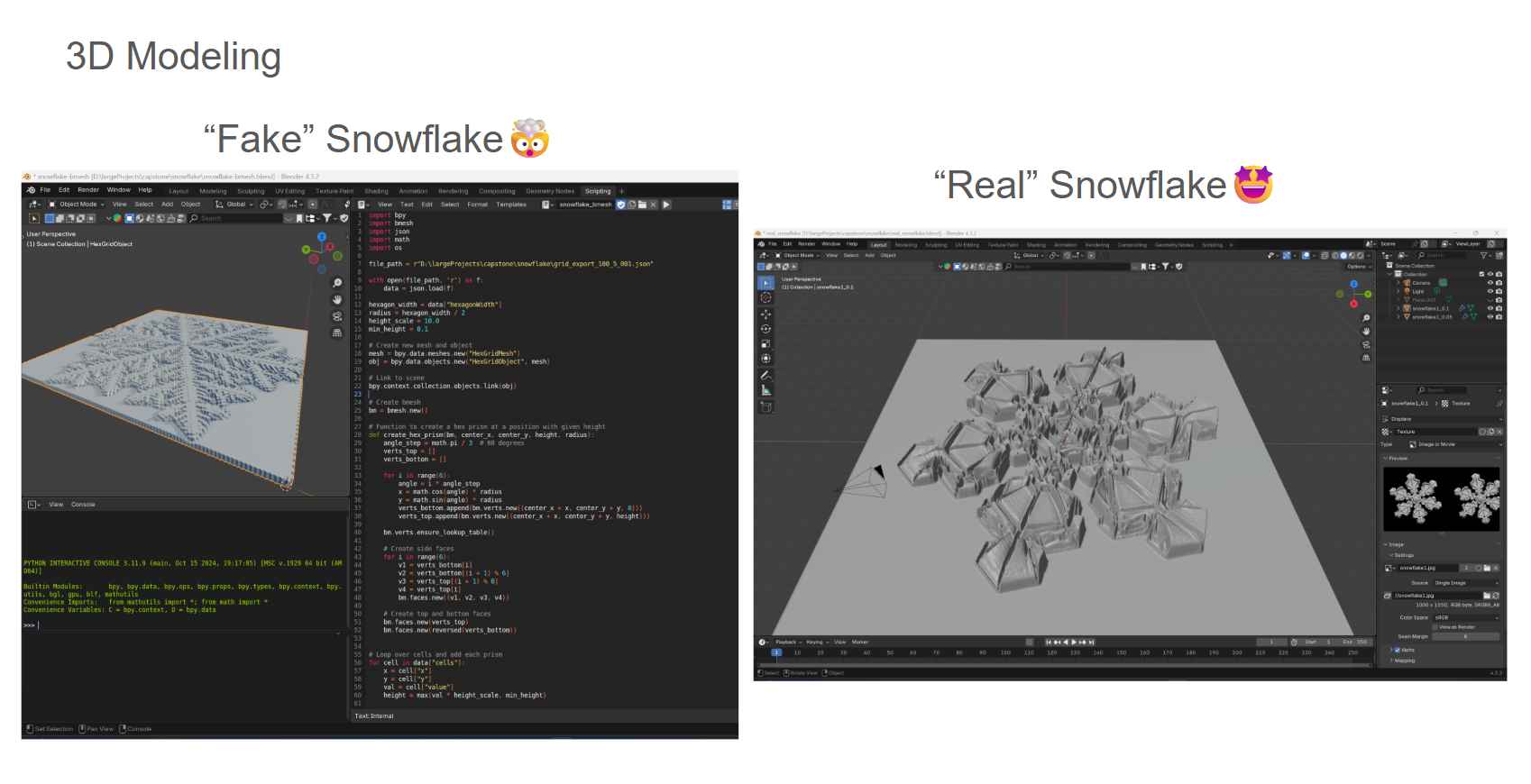
Through extensive coding experiments, I explore how nature-inspired algorithms can be used to imagine an “alternative nature.”
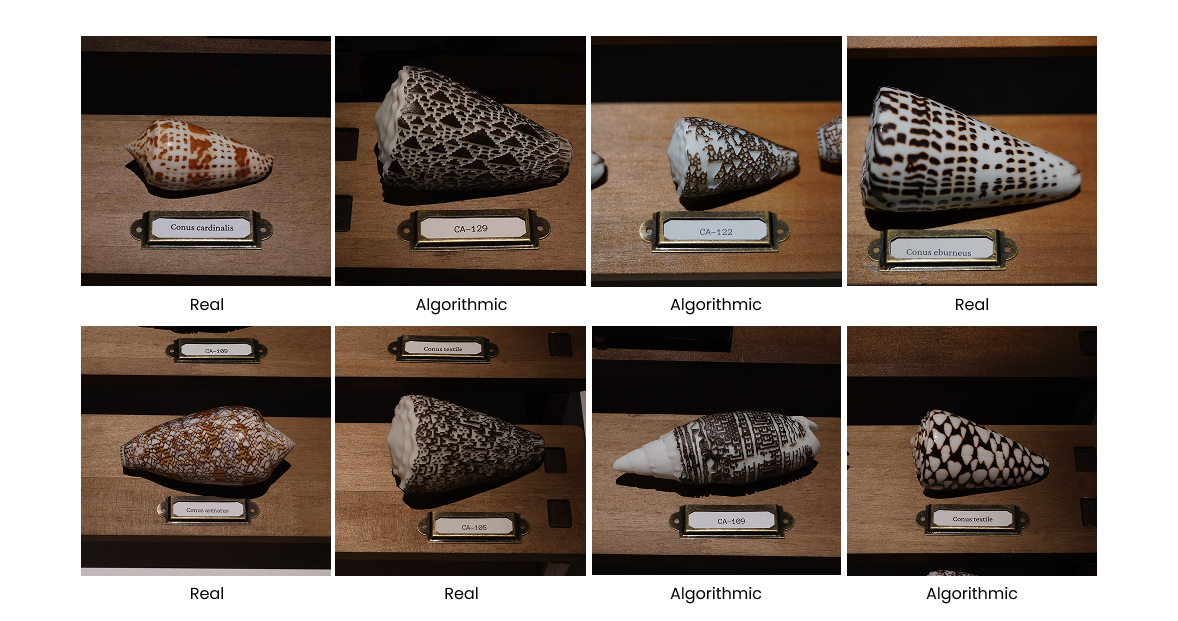
In three explorations: plant branching, snowflakes, and shell surfaces, I deliberately manipulated parameters to generate patterns that don’t exist in nature but trigger uncanny familiarity.
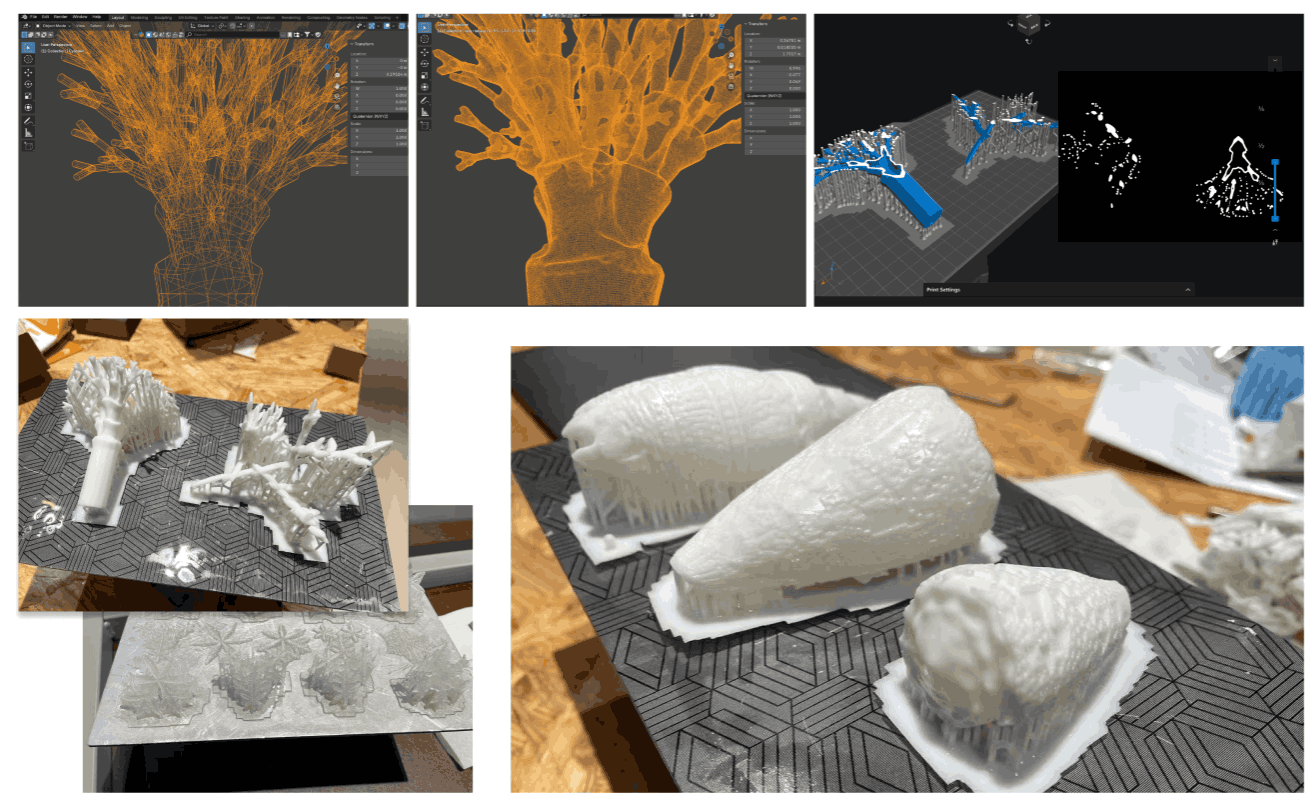
Project Images
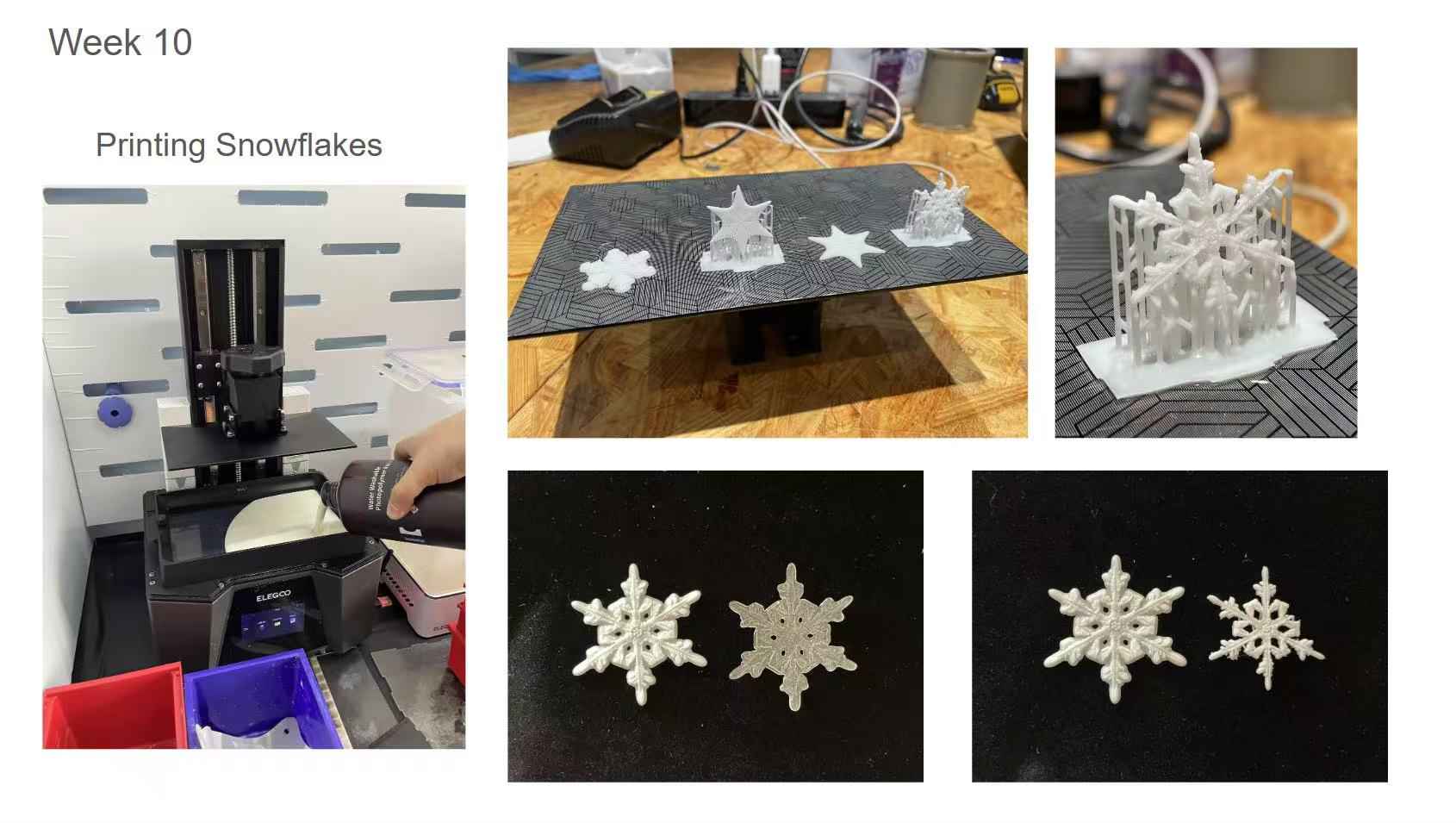
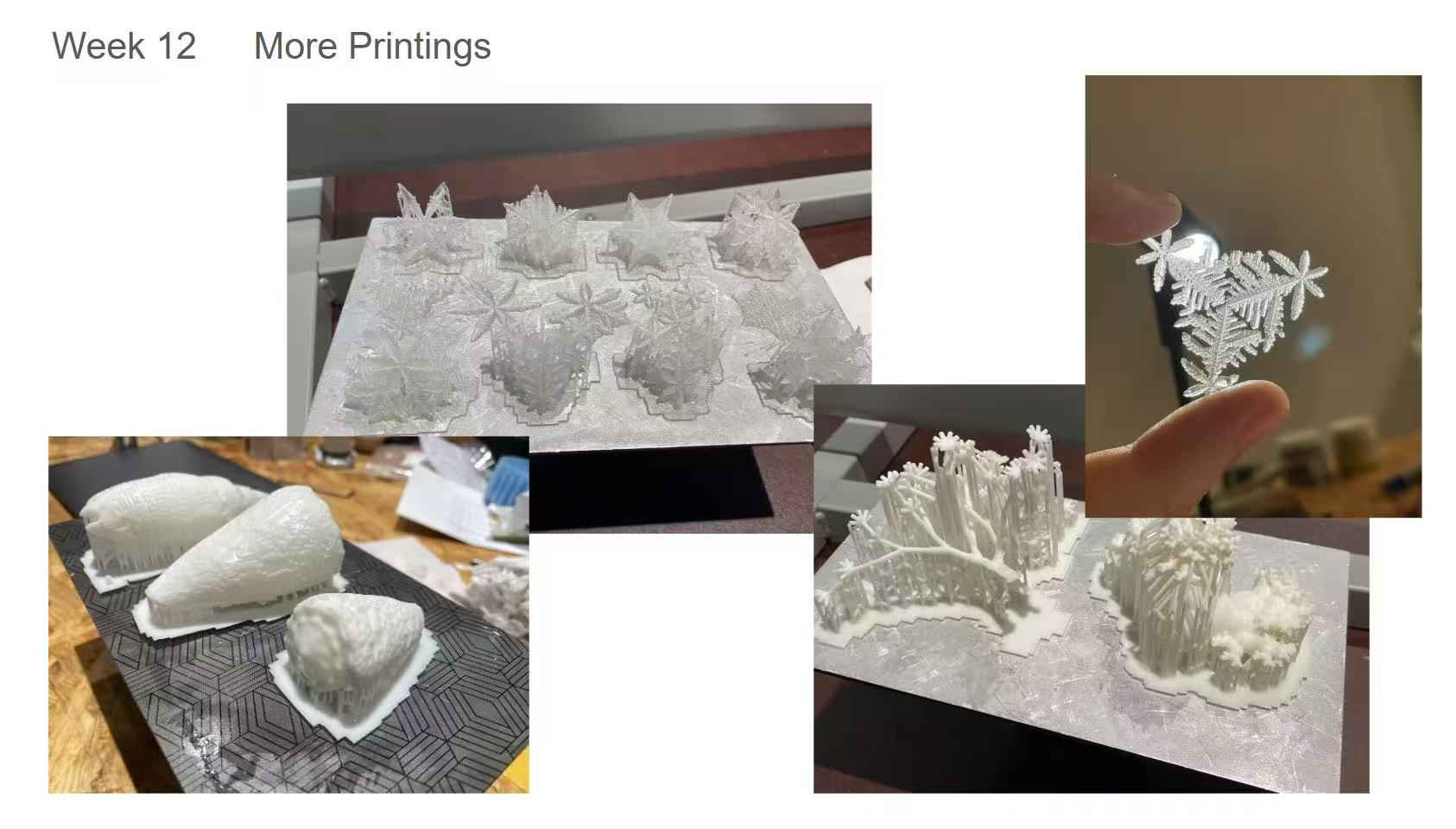
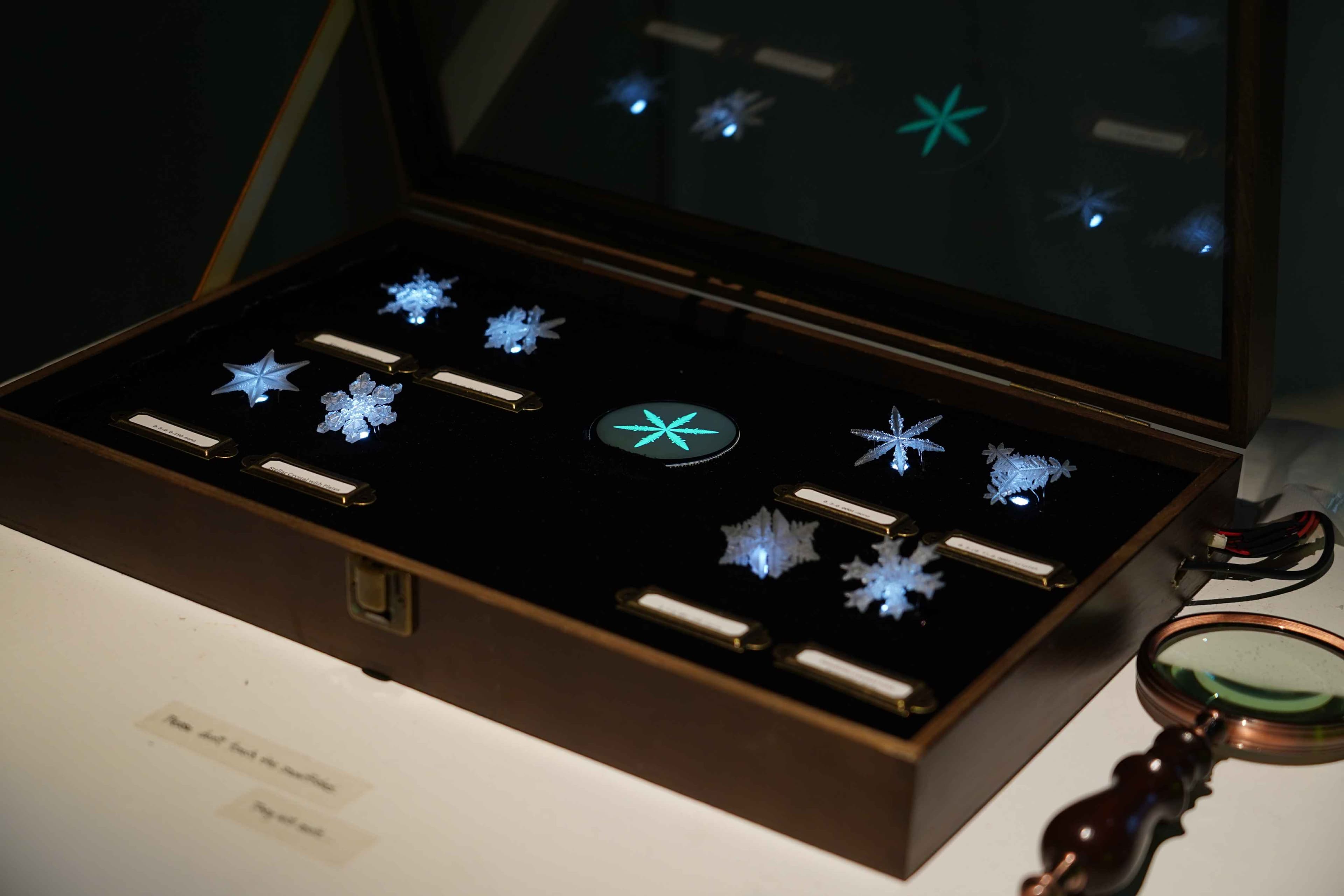
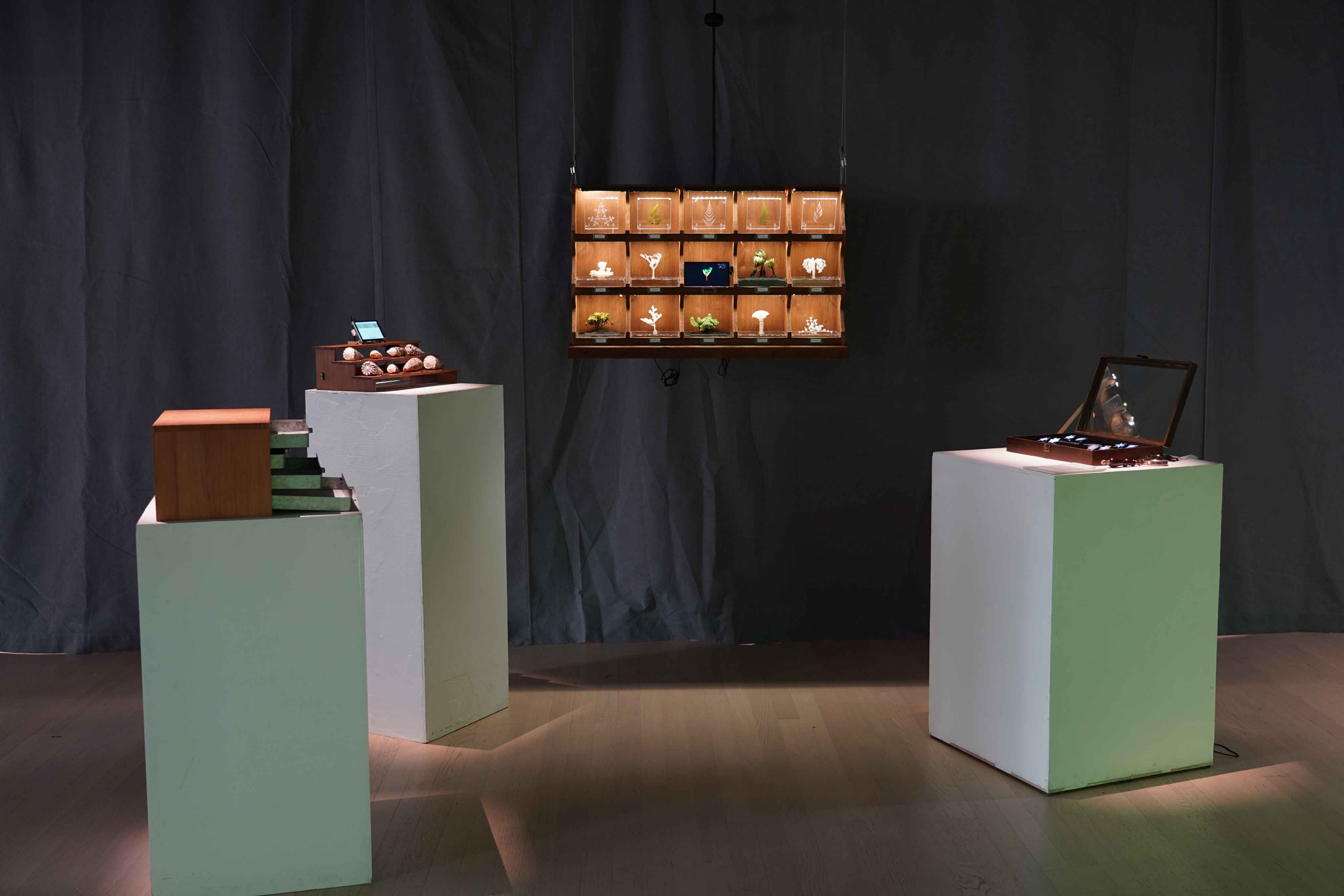
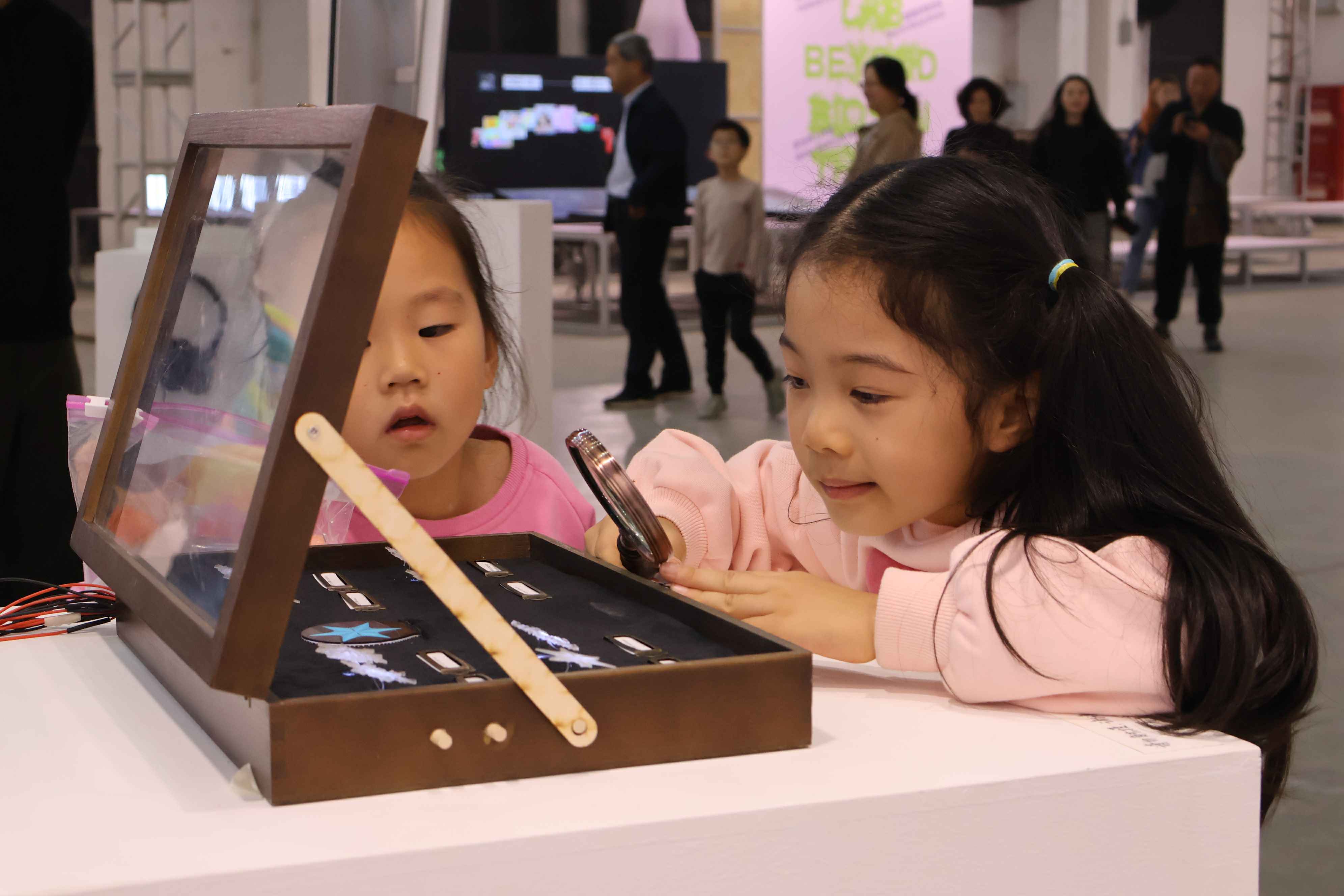
The generative results are materialized through 3D printing and exhibited alongside real specimens in a natural history museum setting.
Installation Overview
Part 1: Plant Branching
Part 2: Snowflakes
Part 3: Shell Surfaces
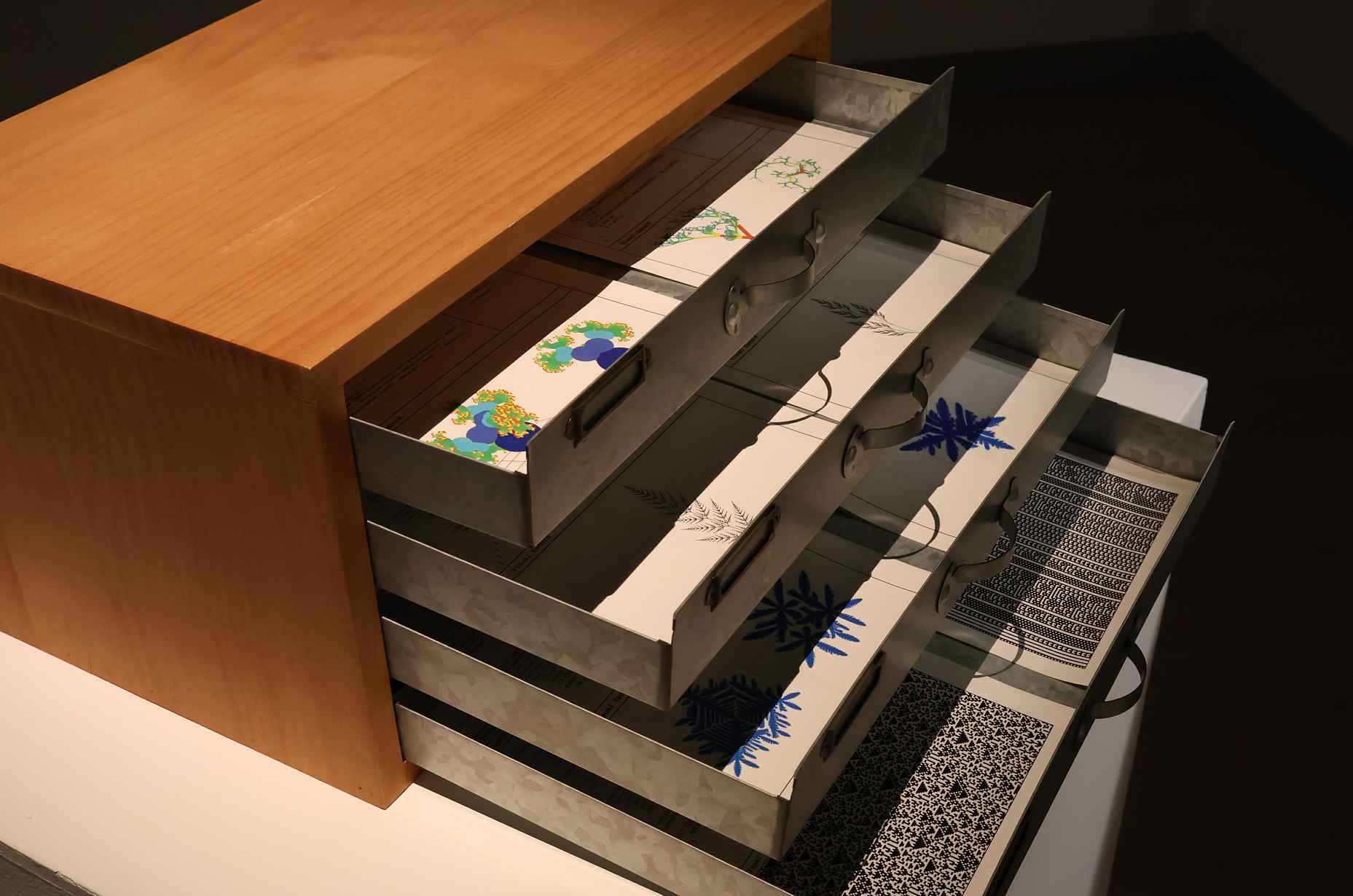
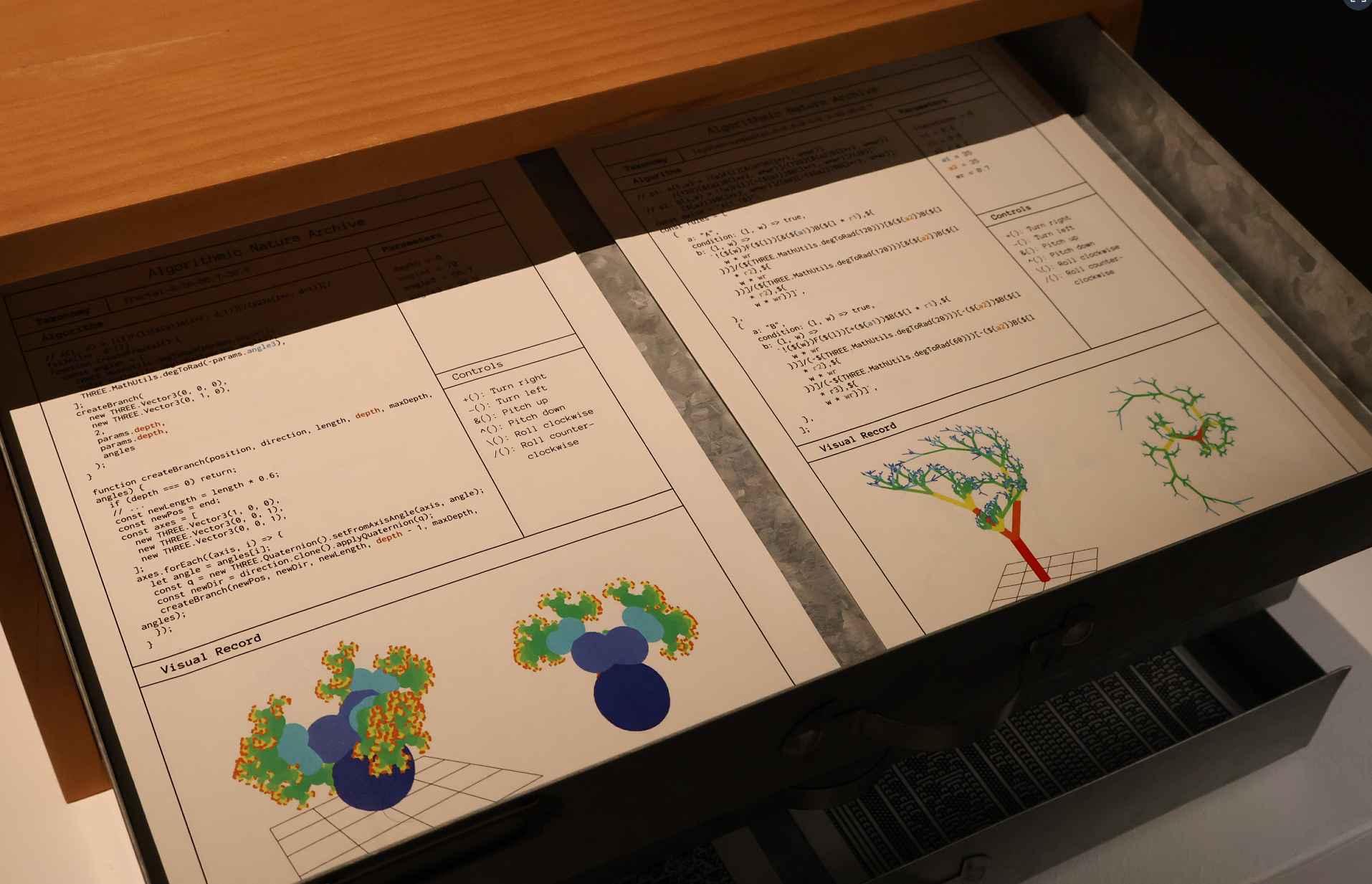
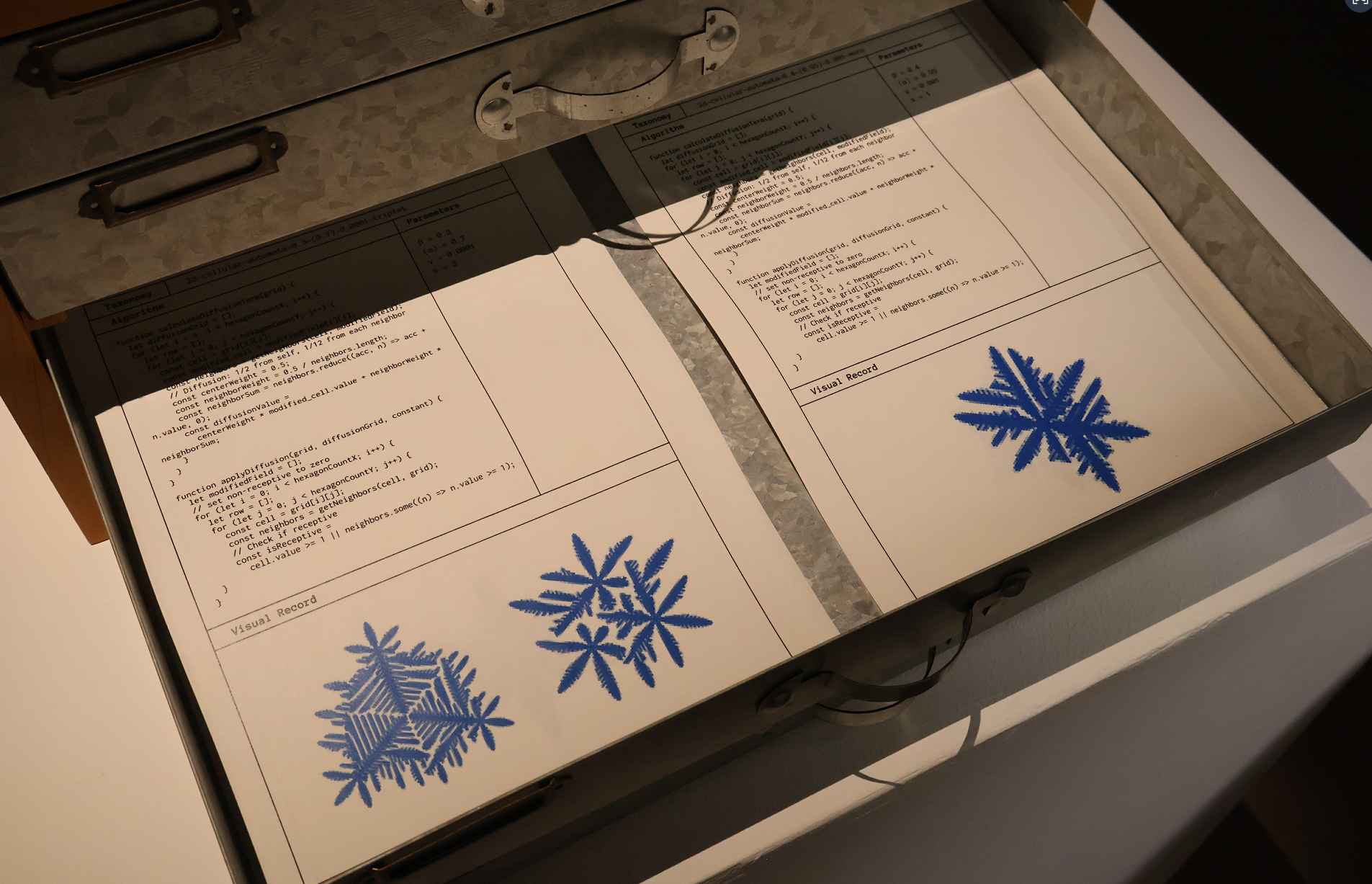
Part 4: Algorithmic Nature Archive
We keep an archive for the living creatures… But can we also keep one for the simulated ones?
Exhibitions
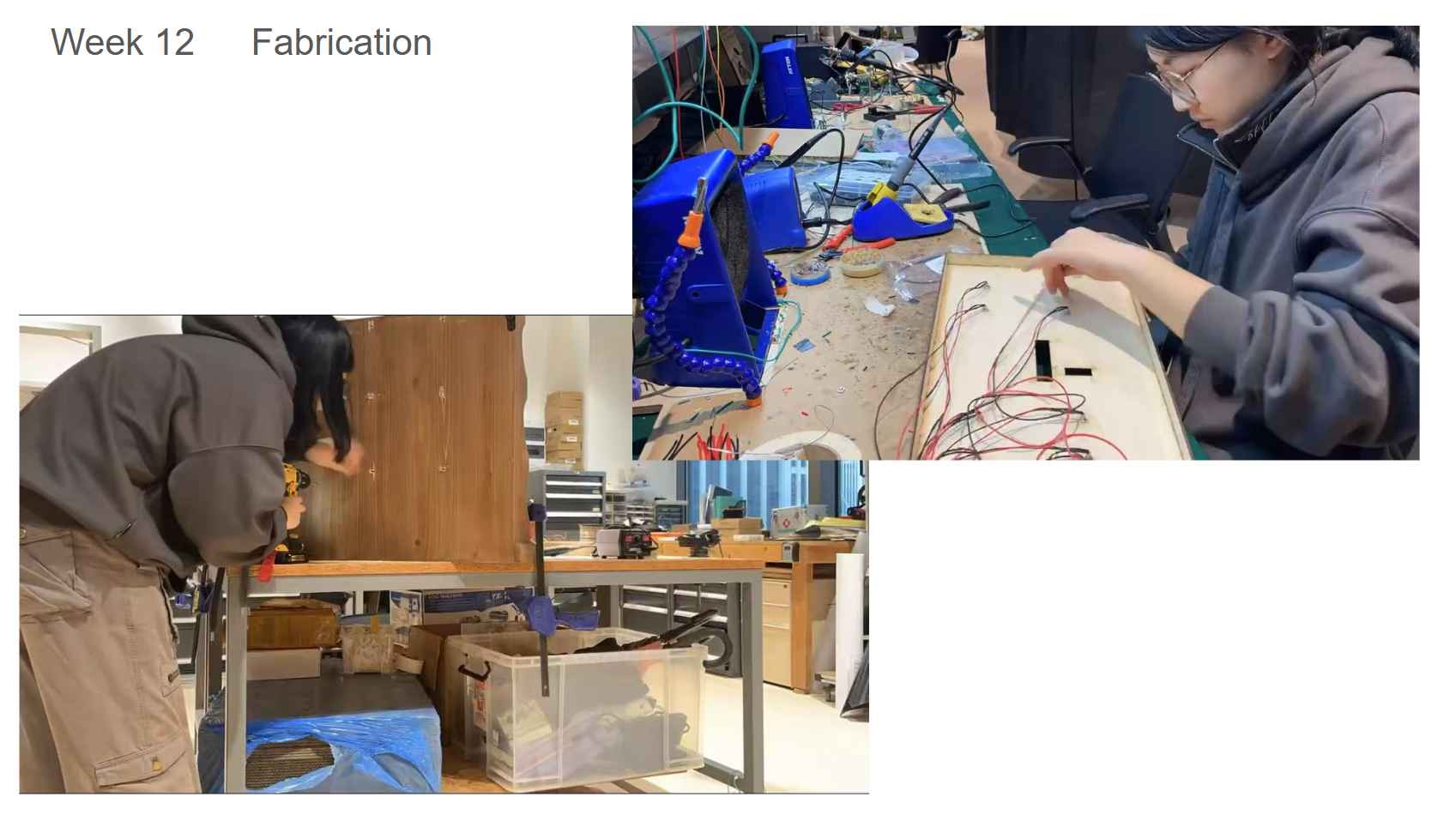
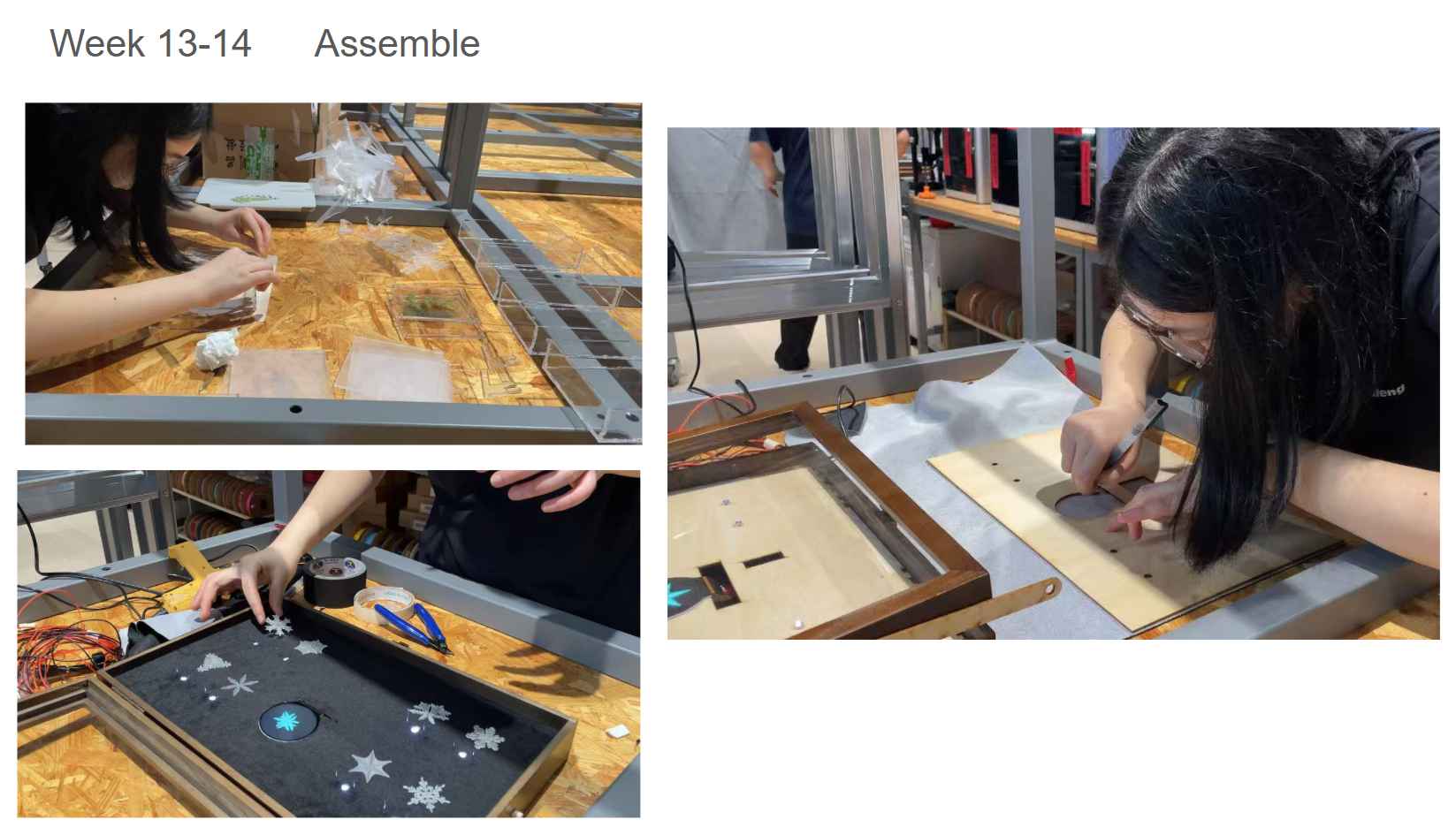
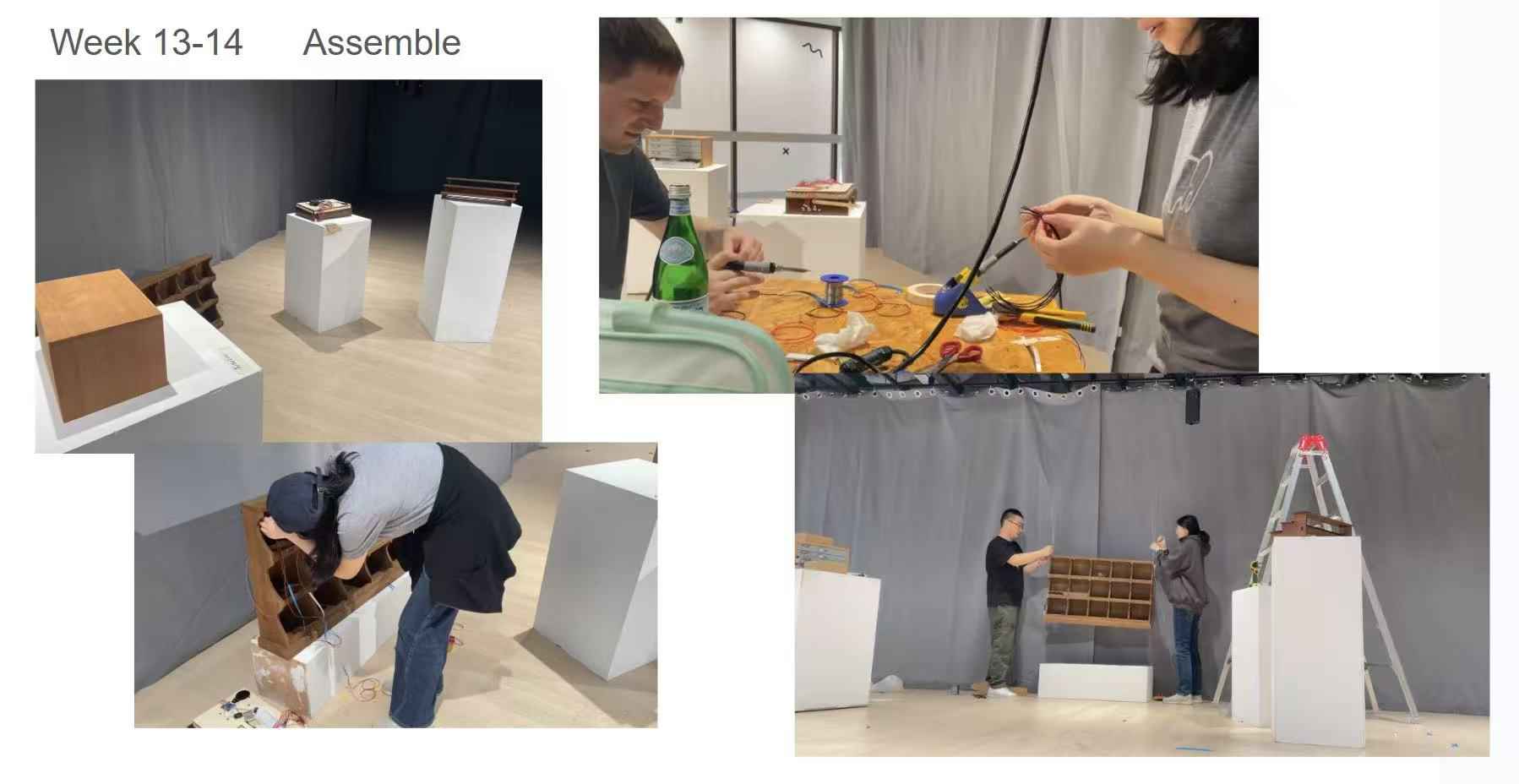
Detailed Process